Social media video production
Stop the scroll with high-impact social media video production designed to boost engagement and drive results.
What we do
We create thumb-stopping video content built for the platforms where your audience lives – from TikTok and Instagram Reels to LinkedIn and YouTube Shorts.
Social moves fast. We understand the formats, trends and algorithms that determine whether your content gets seen or skipped. Whether you need a batch of reactive posts, a planned content series, or scroll-stopping paid social ads, we deliver video that’s optimised for performance.
From lo-fi creator-style content to polished brand campaigns, we tailor our approach to your platform strategy and audience expectations.
Our clients



Our social media video work
Pandora
|
Talisman Launch
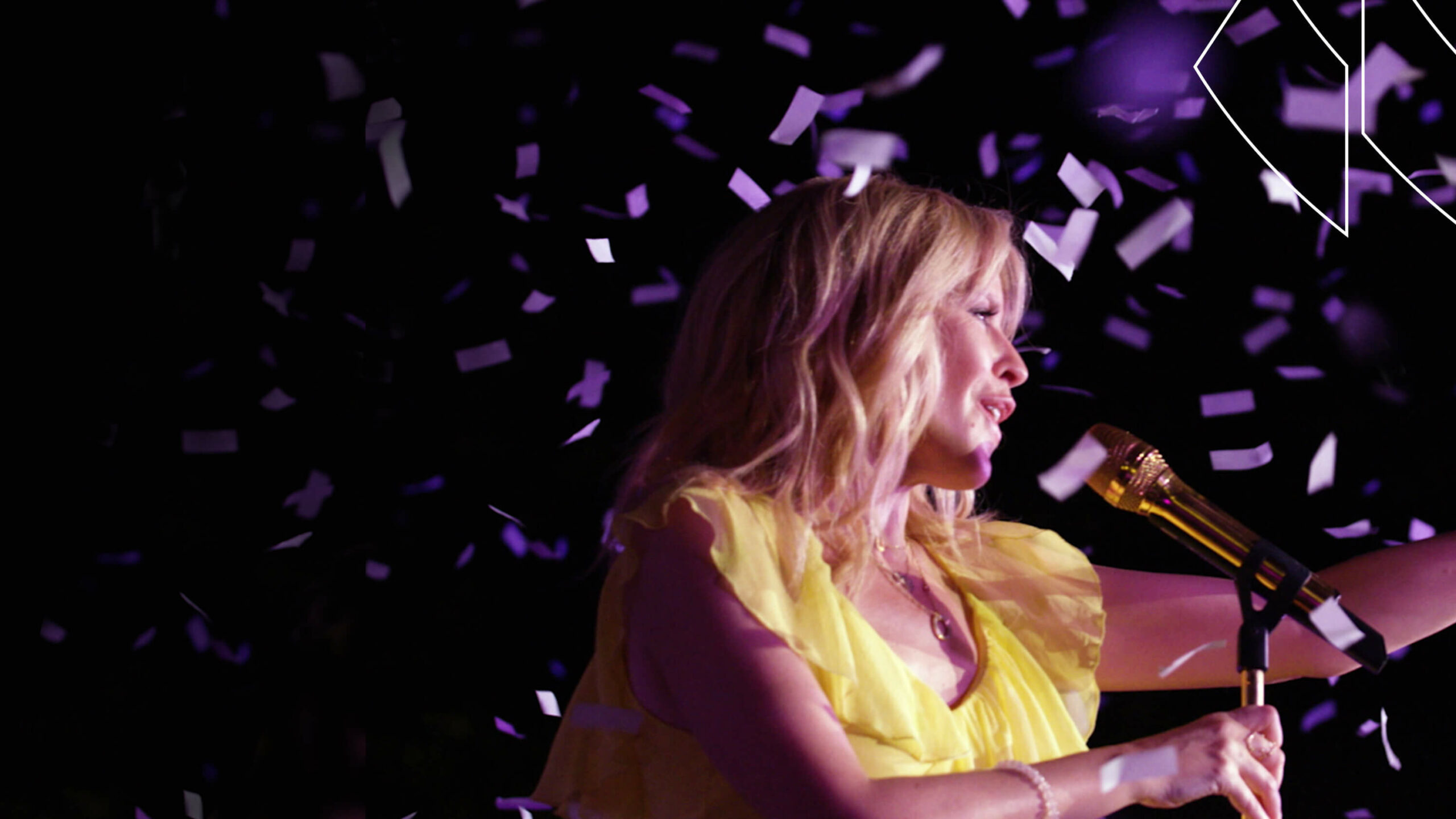
Highlights from the Pandora Opening Party for London Fashion Week, celebrating the launch of their Talisman Collection. All edits completed overnight.

YouTube
|
The BRIT AWARDS
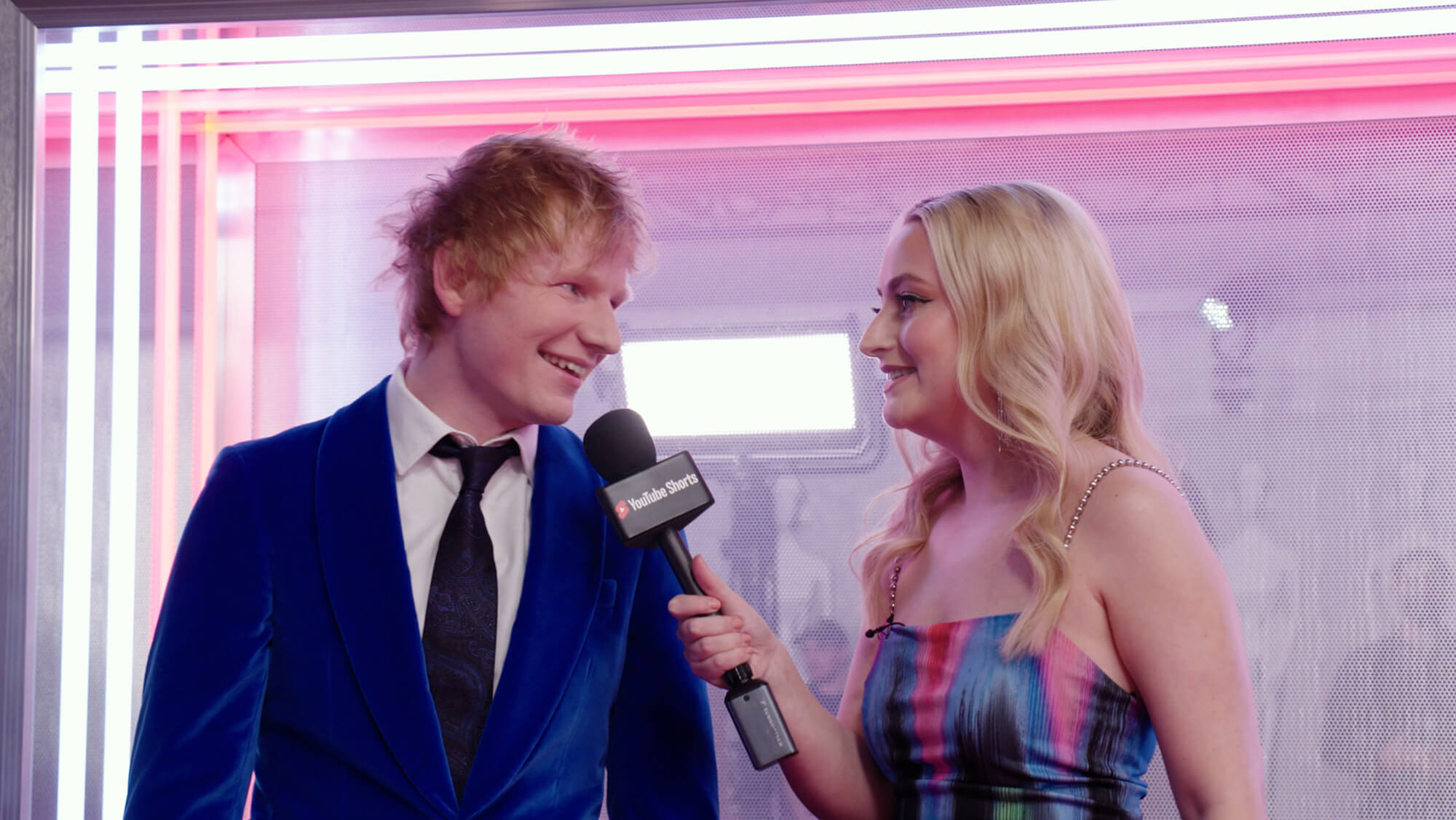
YouTube sponsored The Brit Awards and asked us to create some red carpet content with Amelia Dimoldenberg. The brief was for short, snappy, punchy edits and soundbites that could be pushed out immediately to Amelia’s YouTube channel.
Volvo x Suranne Jones
|
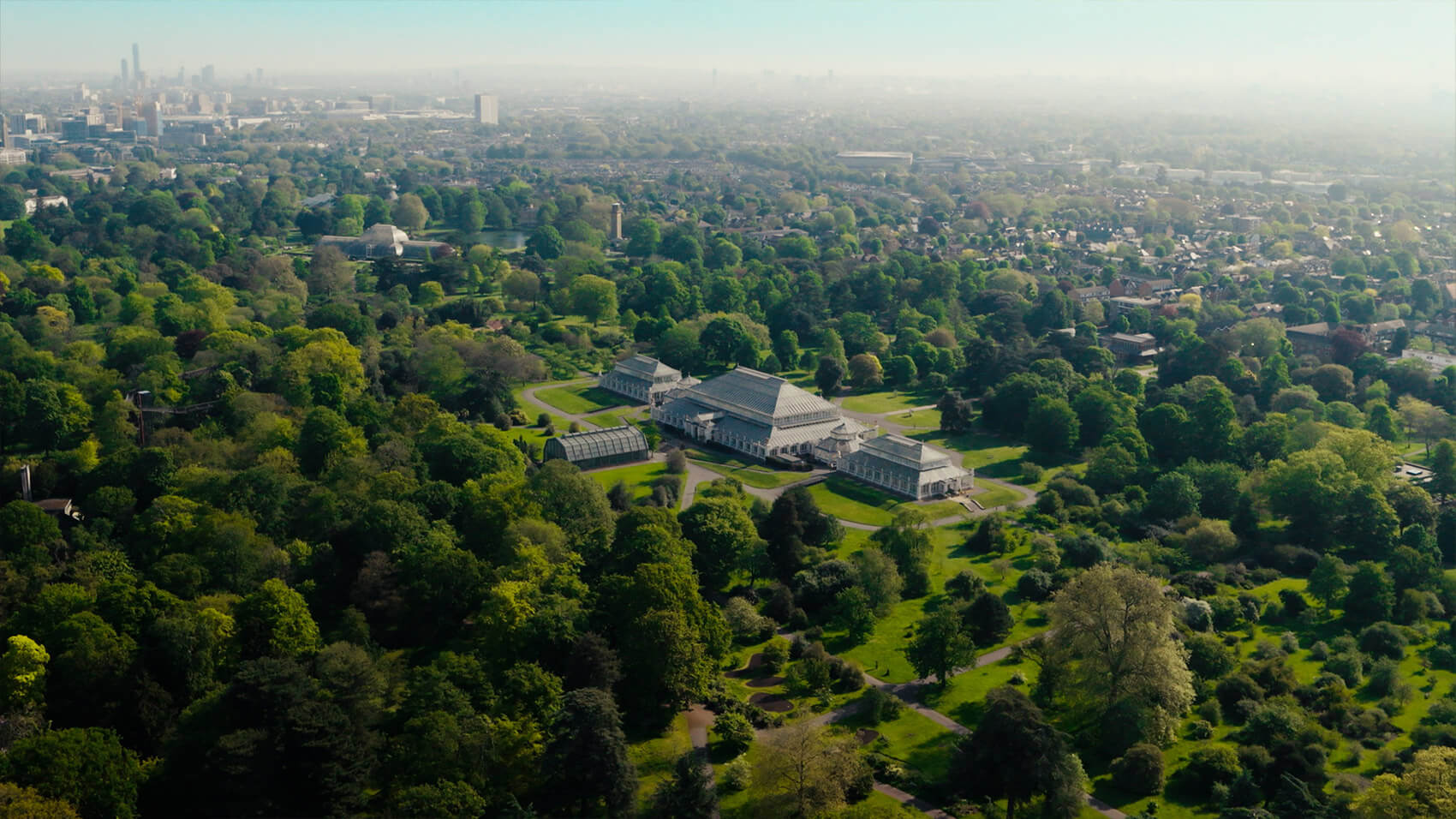
We produced social-first content for Volvo, shot with Suranne Jones in a tight three-hour window – a streamlined crew of three, running and gunning to capture everything the campaign needed.

Why social media video?
Meet your audience where they are with video content that's built to perform.
1/
Stop the scroll
Capture attention in the first 3 seconds with video crafted for the fast-paced social feed environment.
2/
Drive engagement
Create shareable content that sparks conversation, builds community and extends your organic reach.
3/
Boost conversions
Turn viewers into customers with social video ads designed to drive clicks, leads and sales.

Get in touch
Drop us a line – we’d love to chat.
FAQs
This is the tension every premium brand faces on social. The platforms reward native, fast-paced, vertical content. Your brand standards demand polish, consistency, and visual authority. Most production companies resolve this by picking a side: either they deliver glossy brand films that look out of place in a social feed, or they lean into shaky, influencer-style content that quietly erodes the brand.
We take a different approach. We call it high-definition authenticity. It means applying premium production values (considered lighting, professional sound design, precise colour grading) to formats that feel native to the platform. The aspect ratio is 9:16. The pacing is built for the scroll. The visual language respects how people actually consume content on their phones. But none of that requires you to lower your standards.
Think of it as adapting, not downgrading. A luxury fashion brand doesn’t need to look like a bedroom creator to perform on TikTok. It needs to look like itself, presented in a format the platform rewards. That’s the difference between a brand that chases the algorithm and a brand that commands attention within it.
We don’t use influencer shaky-cam as a default. We don’t assume “social-first” means “lower quality.” Every frame we deliver is designed to make your audience stop scrolling and think, “that’s them,” before the logo even appears.
This is one of the most common concerns we hear, and it comes from a misunderstanding of how social video production should be structured. If you’re thinking of a shoot day as “we film one video,” you’ll always feel like you’re running out of content. The economics don’t stack up that way.
We use what we call an asset-first production model. Instead of planning a single hero piece, we structure every shoot day around a master asset that’s designed to be broken down into dozens of variations. Short clips, behind-the-scenes moments, product close-ups, vertical stories, soundbites,, teaser edits, platform-specific cutdowns. One well-planned shoot day can comfortably produce four to six weeks of social content across multiple platforms.
The key is in the planning. Before we arrive on set, we’ve already mapped out every derivative asset we intend to capture. That means we’re shooting with the end formats in mind from the start, not trying to retrofit a single wide-angle hero video into vertical clips in post-production. The, camera framing, and talent direction are all optimised for multi-format output.
This transforms the perception of social video production from a one-off project into an ongoing content engine. Instead of commissioning individual videos and hoping they fill the gaps, you’re investing in structured shoot days that feed your content calendar for weeks. It’s a fundamentally more efficient way to work, and it means your brand stays visible and consistent without the constant pressure of “what do we post next?”
Both, but not in equal measure. And the balance matters more than most brands realise.
Trending audio, formats, and memes can give you a temporary spike in views. That’s real, and we won’t pretend otherwise. But those spikes rarely convert into anything lasting. The audience that discovers you through a trending sound is there for the trend, not for your brand. When the trend passes (and it always passes quickly), so does the attention.
What builds long-term brand equity on social is what we call recurring formats: styles of video that are uniquely yours. A signature visual treatment, a consistent opening sequence, a recognisable editing rhythm, a tone of voice that’s unmistakable. When a user sees your clip in their feed and recognises the brand before the logo appears, you’ve built something far more valuable than a viral moment.
Our recommendation is to anchor 80% of your social video output in these owned formats, the content that reinforces who you are and what you stand for. The remaining 20% can be reactive, tapping into cultural moments or platform trends where there’s a genuine fit with your brand. But even that reactive content should carry your visual identity. If a trend requires you to abandon your brand’s look and feel to participate, it’s not worth the trade-off. The brands that win on social over time are the ones people recognise instantly, not the ones that chased every fleeting format.
The data is brutal. You have roughly three seconds before a viewer decides to scroll past your content. In many cases, it’s closer to one. That’s not a creative constraint we work around. It’s the entire foundation of how we approach social video.
We don’t write scripts in the traditional sense, we write hooks. The first frame is engineered as a psychological interrupt: something visually unexpected, a provocative statement, a pattern break that forces the thumb to pause. That’s the “stop.” Within the next few seconds, you deliver concentrated value: the insight, the reveal, the thing the viewer didn’t know they needed to see. Then the call to action closes the loop, whether that’s a follow, a click, a save, or a share.
This approach also changes how we plan shoot days. We capture multiple hook variations for the same piece of content, so you can test which opening performs best without commissioning an entirely new video. It’s a data-informed creative process, and it’s one of the reasons our social content consistently outperforms the “post and pray” approach.
This is one of the strongest arguments for investing in social video production properly. When a shoot is planned with repurposing in mind from the start, the content you create for Instagram or TikTok becomes the raw material for your website, email campaigns, paid ads, pitch decks, trade show screens, and internal communications. One production investment feeds every channel you operate.
The key is what we call modular production. Instead of shooting a single piece of content in a single format, we capture every setup in multiple aspect ratios, frame rates, and durations. A 9:16 vertical hero for Reels is also captured as a 16:9 landscape version for your website header or YouTube pre-roll. Interview soundbites filmed for a 30-second social clip are simultaneously recorded at broadcast quality, so the same footage can sit comfortably in a corporate film or investor presentation six months later.
This only works if it’s planned in pre-production. Retrofitting social content into other formats after the fact is where quality breaks down. You end up cropping widescreen footage into awkward vertical frames, or stretching a 15-second clip into a longer format it was never designed to support. When we structure a shoot day, every camera position, lighting setup, and talent direction is designed to serve multiple output formats without compromise. The social edit feels native to the platform. The website version feels cinematic. The email thumbnail is sharp and on-brand. Nothing looks like a leftover.
There’s also a practical benefit that’s easy to overlook: consistency. When all your marketing channels draw from the same production source, your brand looks and sounds the same everywhere. The colour grading matches. The music beds complement each other. The visual language is coherent whether someone encounters you on LinkedIn, your homepage, or a conference stage. That kind of consistency is almost impossible to achieve when different channels are served by different shoots, different teams, or different budgets.
We regularly plan shoot days that deliver social content as the primary output but are structured to feed four or five additional channels simultaneously. It’s one of the most efficient ways to maximise your production budget, and it means the content you invest in today keeps working for you long after the social post has left the feed.