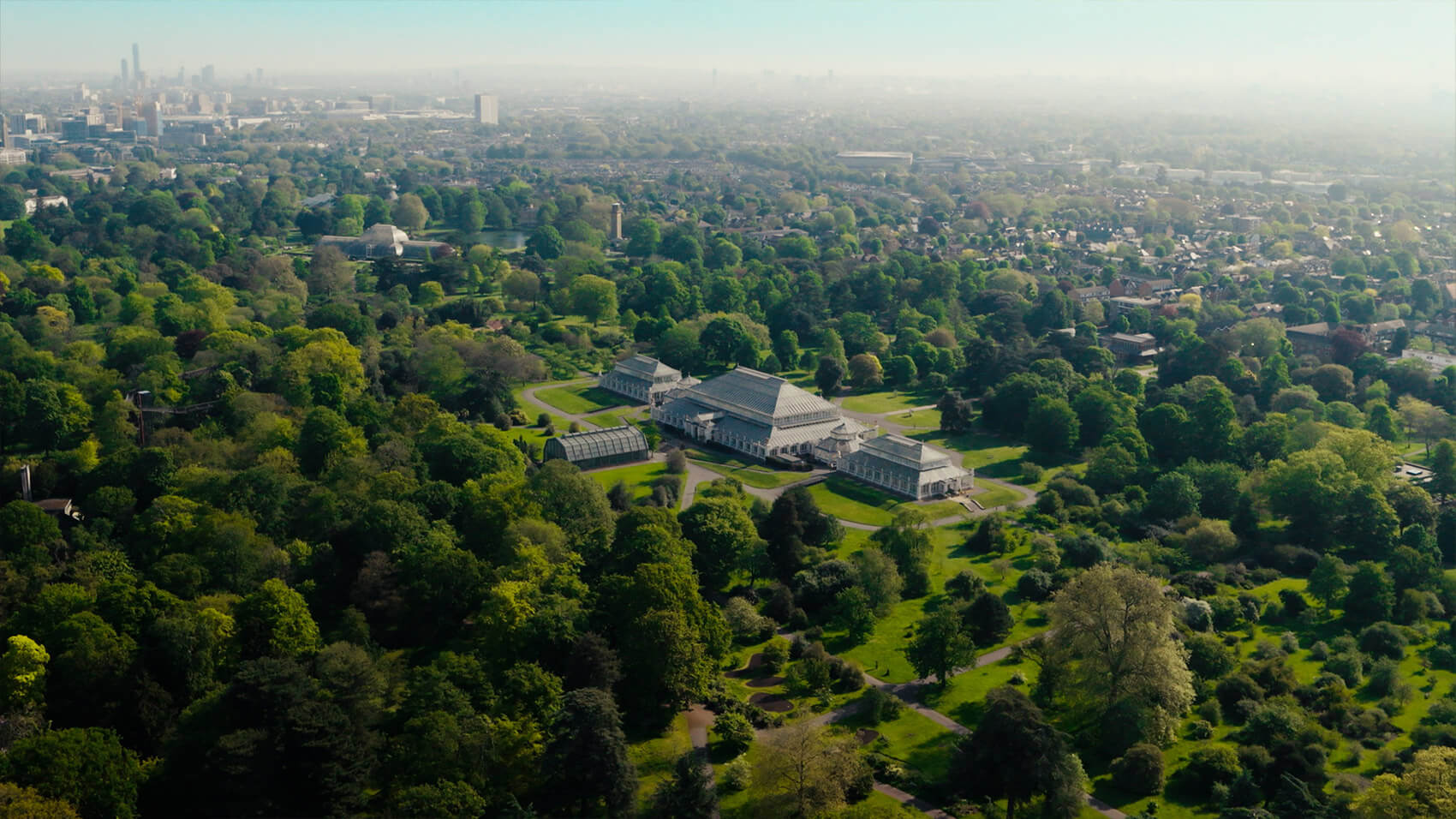
Drone video production
Capture stunning aerial perspectives with licensed drone video production that takes your project to new heights.
What we do
We capture cinematic aerial footage that adds scale, drama and production value to any project – from sweeping estate tours to dynamic event coverage.
Our CAA-licensed drone pilots operate across the UK, delivering broadcast-quality 4K footage for property films, brand campaigns, event highlights and more. Whether you need a smooth establishing shot or an adrenaline-fuelled FPV fly-through, we’ve got the kit and expertise to deliver.
We handle all permissions, risk assessments and flight planning, so you can focus on the creative while we take care of the logistics.

Our clients



Our drone video work
BBC Storyworks
|
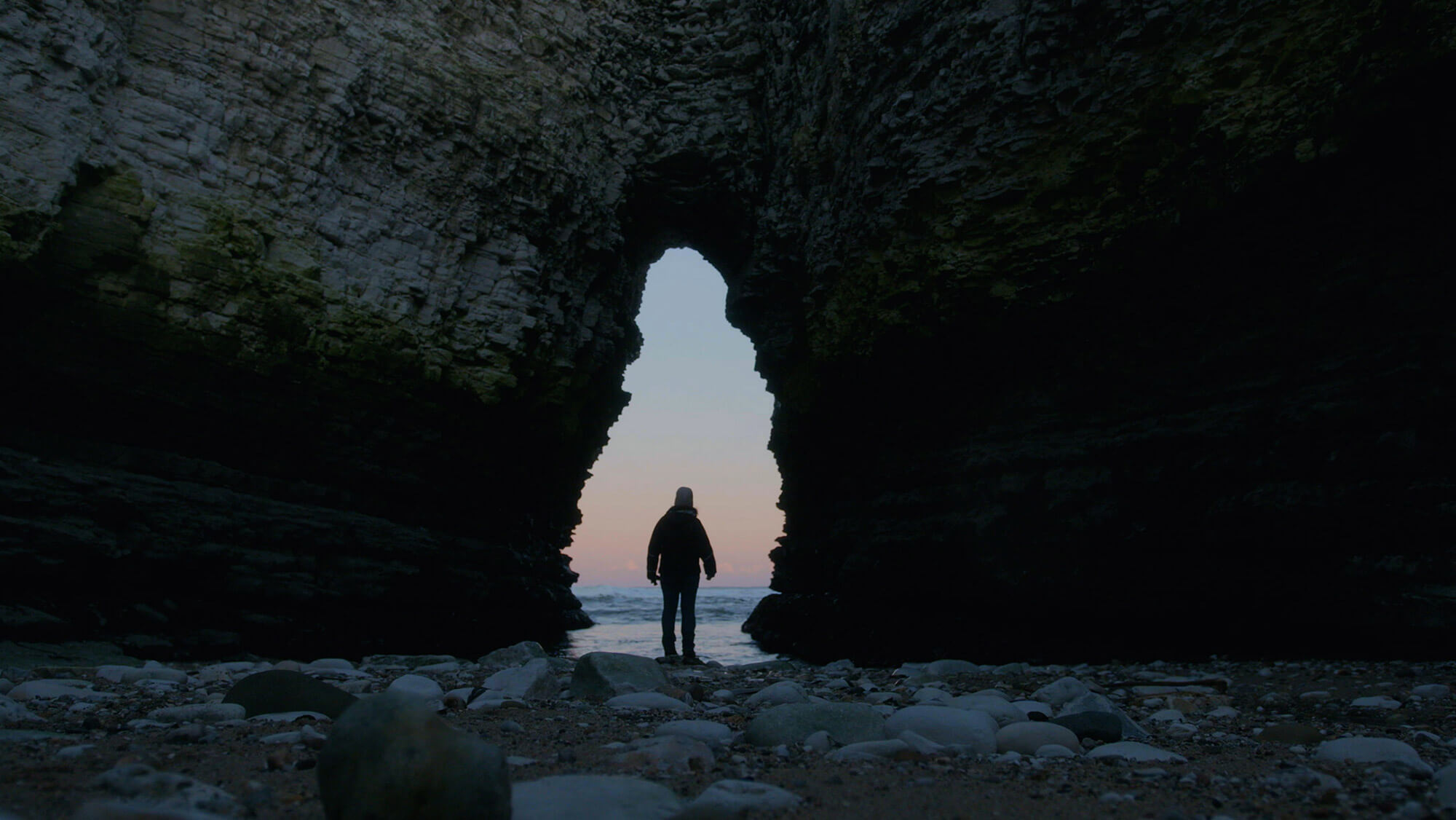
Blue Horizons
We created a five film for BBC Storyworks in partnership with Purina. The film focused on a new trial that aims to uncover how kelp can be used as a sustainable biostimulant in farming.
Kew Gardens
|
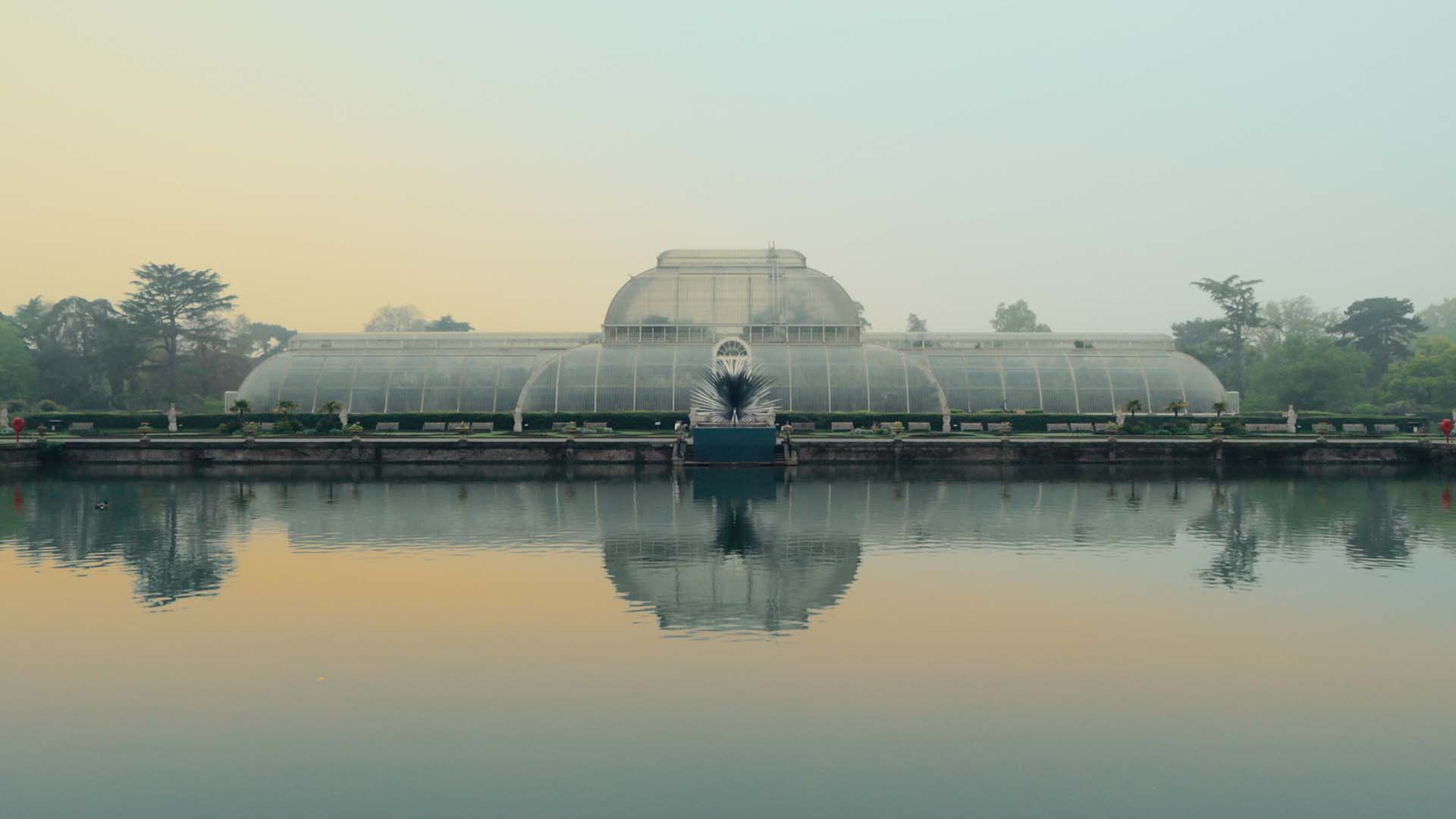
Marc Quinn: Light into Life
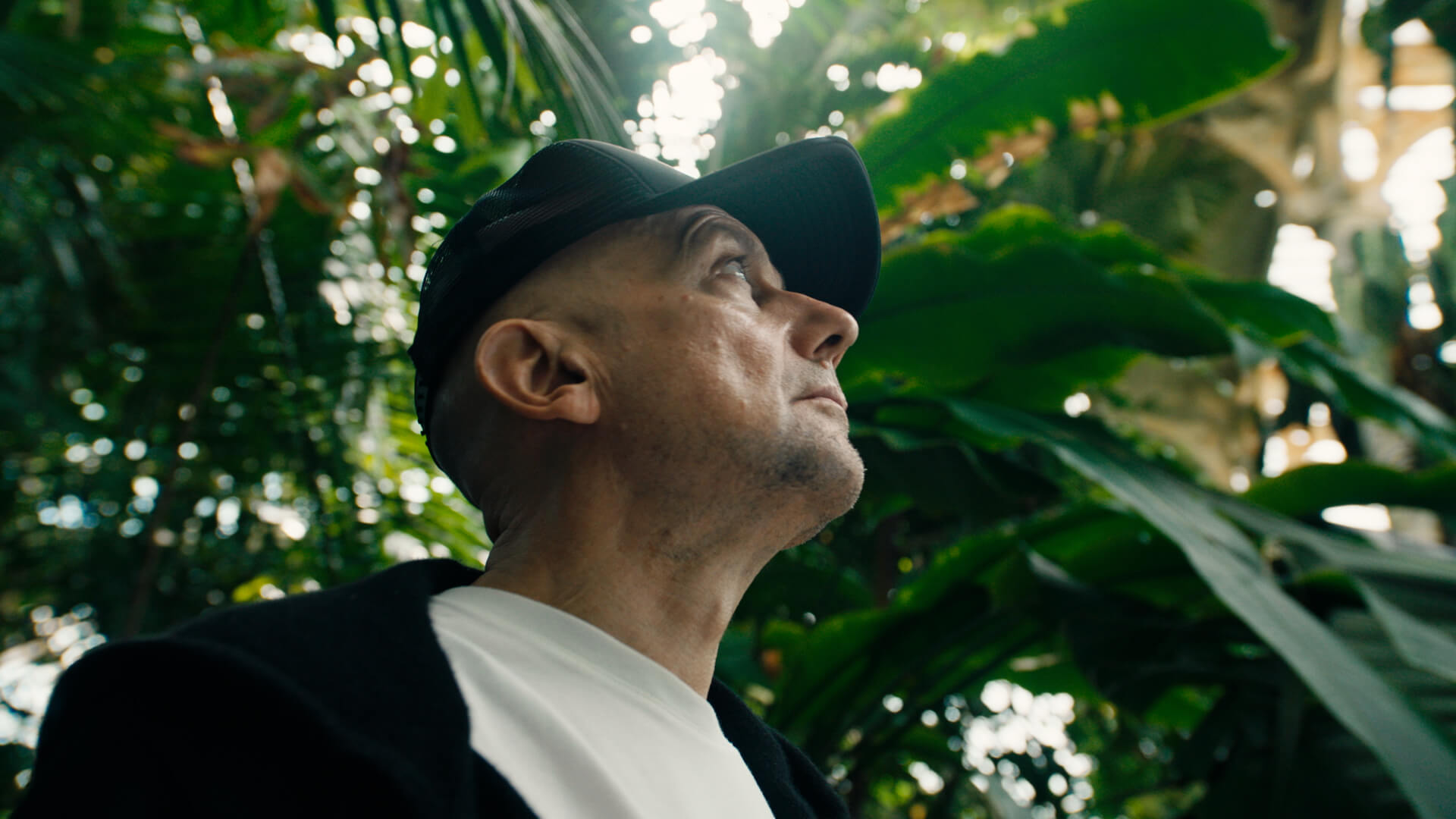
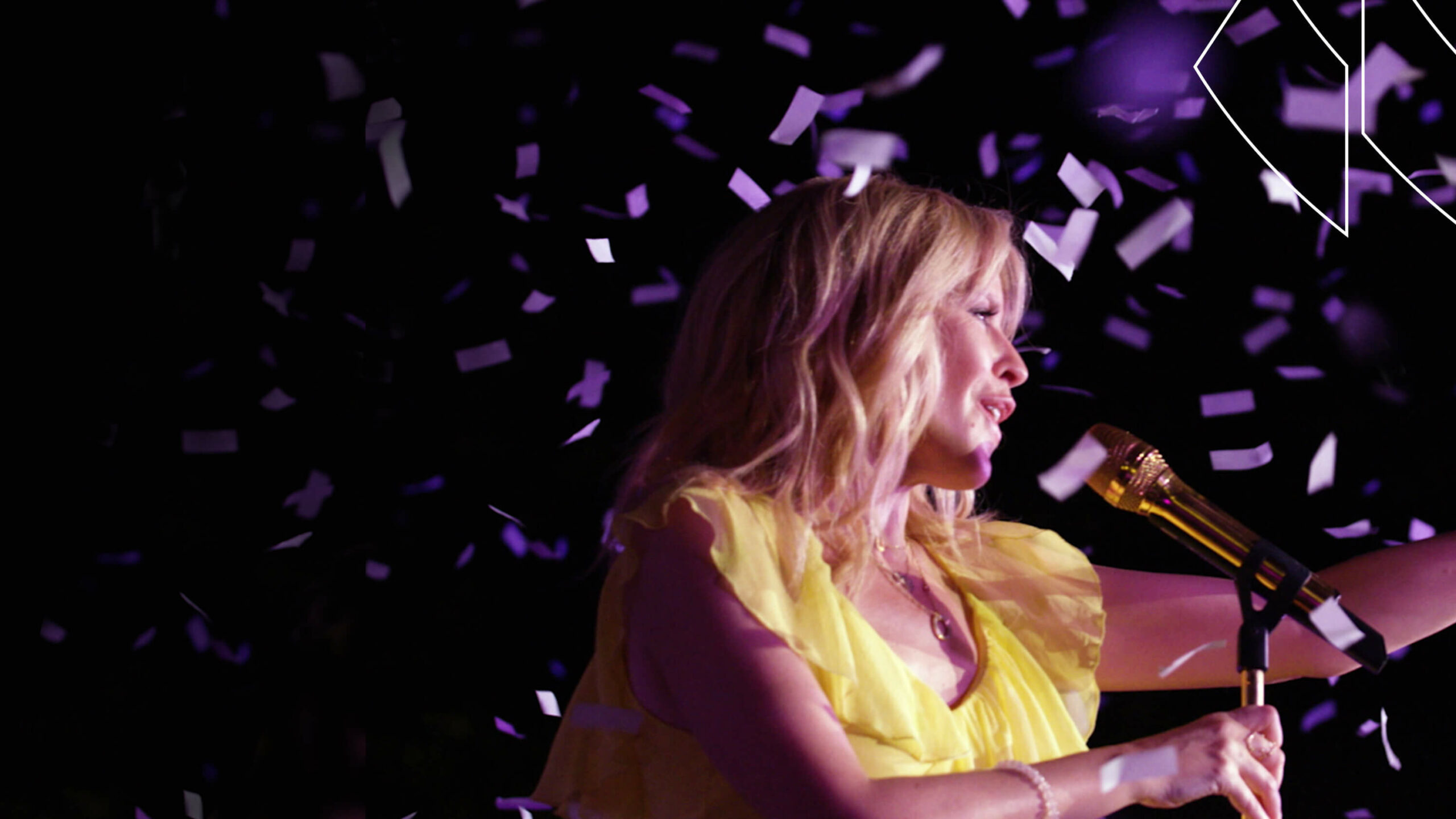
We were approached by Kew Gardens to create a captivating TV advert for artist Marc Quinn’s ‘Light into Life’ exhibition. The brief was to create a 30-second, voice-over led hero film, plus a series of engaging shorter edits designed for maximum impact on social media platforms.
Berkeley
|
LDW
We combined drone work in London's restricted airspace with Insta360 shots on a long telescopic pole along the Thames and Tower of London, dynamic FPV passes, and sky replacement to beat the British weather.

Why drone video?
Add cinematic scale and visual impact with aerial footage that makes your content stand out.
1/
Capture the full picture
Showcase locations, properties and venues in their entirety with sweeping aerial perspectives impossible to achieve from the ground.
2/
Add production value
Elevate your content with cinematic drone shots that give even modest budgets a high-end feel.
3/
Create memorable moments
Open with impact. Aerial footage grabs attention and sets the tone for premium brand storytelling.


Get in touch
Drop us a line – we’d love to chat.
FAQs
This is the first thing any responsible client should ask, and the answer should give you complete confidence before a single propeller spins.
All of our drone pilots hold the GVC (General Visual Line of Sight Certificate), which is the UK’s Civil Aviation Authority standard for commercial drone operations. This isn’t a weekend course or an online tick-box exercise. It’s the recognised professional qualification that confirms our operators understand airspace law, meteorology, emergency procedures, and the flight planning required to operate safely in complex environments.
Beyond licensing, every shoot is backed by comprehensive public liability insurance. Before we arrive on location, we carry out a detailed pre-flight site survey and produce full RAMS (Risk Assessment and Method Statement) documentation. This covers everything from proximity to buildings and people, to airspace restrictions, local hazards, and contingency protocols. By the time we’re on site, every variable has been assessed and documented. There are no surprises for you or your stakeholders.
For projects that require operations in restricted or controlled airspace (near airports, military zones, or central London, for example), we work with a trusted network of specialist operators who hold the additional authorisations and clearances needed for those environments. We coordinate the permissions, manage the logistics, and ensure compliance end to end. You don’t need to navigate any of it yourself.
The short version: when you book drone production through Rise, the regulatory and safety burden sits entirely with us. Your risk exposure is zero.
This is one of the most common technical concerns we hear from clients who’ve worked with high-end production before, and it’s a completely valid one. Nothing undermines a premium film faster than a jarring quality shift when the edit cuts to an aerial shot.
The issue typically shows up as a colour mismatch. Drone footage shot on default settings, with auto exposure and standard colour profiles, will almost always look noticeably different from footage captured on cinema cameras. The contrast, colour temperature, and dynamic range all diverge, and the result is a visible seam in the final film that screams “this was shot on a different camera.”
We eliminate that problem at the source. Our DJI drones are equipped with industry-standard sensors capable of shooting in log, format, maximising dynamic range. These are the same acquisition formats used by our ground-based cinema cameras, and they give our colourists the flexibility to match every shot precisely in post-production. Skin tones, sky gradients, shadow detail, highlight roll-off: every element is graded to sit seamlessly alongside the primary camera footage.
The result is a finished film where the audience has no idea which shots were captured from the air and which were captured on the ground. That’s the standard. If the aerial footage doesn’t integrate invisibly into the final edit, we haven’t done our job.
British weather and drone filming are not natural allies, and anyone who tells you otherwise hasn’t done enough shoots in this country. We plan for it, rather than pretending it won’t be a factor.
Our standard approach for any production that relies on exterior aerial footage is to build a designated weather buffer into the schedule. This is a backup window, agreed during pre-production, that gives us clear alternative dates if conditions on the primary shoot day aren’t suitable. It means the project timeline stays on track without anyone scrambling to rearrange diaries at the last minute.
On the day itself, our pilots make real-time assessments based on wind speed, precipitation, visibility, and cloud ceiling. This is where experience matters. Knowing when conditions are marginal but workable, versus when it’s genuinely better to stand down and reschedule, is a judgement call that comes from hundreds of hours of commercial flight time. We will never push a shoot in conditions that compromise safety or image quality just to avoid a slightly inconvenient diary change.
The bottom line: weather is a variable, not a crisis. We plan around it so you don’t have to worry about it.
We offer three distinct types of drone production, each suited to different creative and practical requirements. The right choice depends entirely on the brief.
Cinematic drone filming
This is our highest-end aerial offering, and it’s the option we recommend for brand films, property showcases, and any project where the aerial footage needs to sit seamlessly alongside cinema-camera work on the ground. For these shoots, we deploy a two-person crew: a dedicated drone pilot who handles the aircraft, and a separate camera operator who controls the drone’s camera independently. This dual-operator setup allows for far more precise, nuanced camera work. The pilot focuses entirely on safe, smooth flight while the camera operator concentrates on composition, timing, and movement.
In practice, this means carefully choreographed tracking shots, reveal sequences timed to the narrative of the film, and fluid transitions between aerial and ground-level footage. Every movement is rehearsed, every angle is intentional, and the footage is shot in formats that allow our colourists to match the primary camera footage. The audience should never be able to tell which shots were captured from the air and which were captured on the ground.
FPV drone flying
FPV (First Person View) drones are smaller, more agile units that our pilots fly wearing immersive goggles, seeing exactly what the drone sees in real time. The result is dynamic, high-energy footage with a visceral sense of speed and proximity that conventional drones simply can’t replicate.
FPV is particularly effective for interior fly-throughs (moving through buildings, warehouses, event spaces), fast-paced tracking shots at events, and creative sequences where you want the viewer to feel like they’re moving through the space rather than observing it from above. Because these drones can operate indoors, FPV is also a powerful option when exterior conditions aren’t cooperating with the weather.
Aerial filming for surveys, timelapses, and hyperlapses
Not every aerial brief calls for cinematic storytelling. Some projects need practical, high-quality aerial footage for surveying, progress documentation, site mapping, or time-based capture. We provide aerial timelapse and hyperlapse services that compress hours of activity into compelling visual sequences, ideal for construction progress films, event build-ups, or capturing the energy of a location over time.
For survey and documentation work, our drones capture high-resolution stills and video from precise, repeatable positions, giving you accurate visual records that serve both creative and operational purposes. This is a more functional service, but the quality and professionalism remain the same: full CAA compliance, comprehensive risk assessments, and broadcast-quality output.