Branded content video production
Bold branded video content that holds your audience’s attention.
What we do
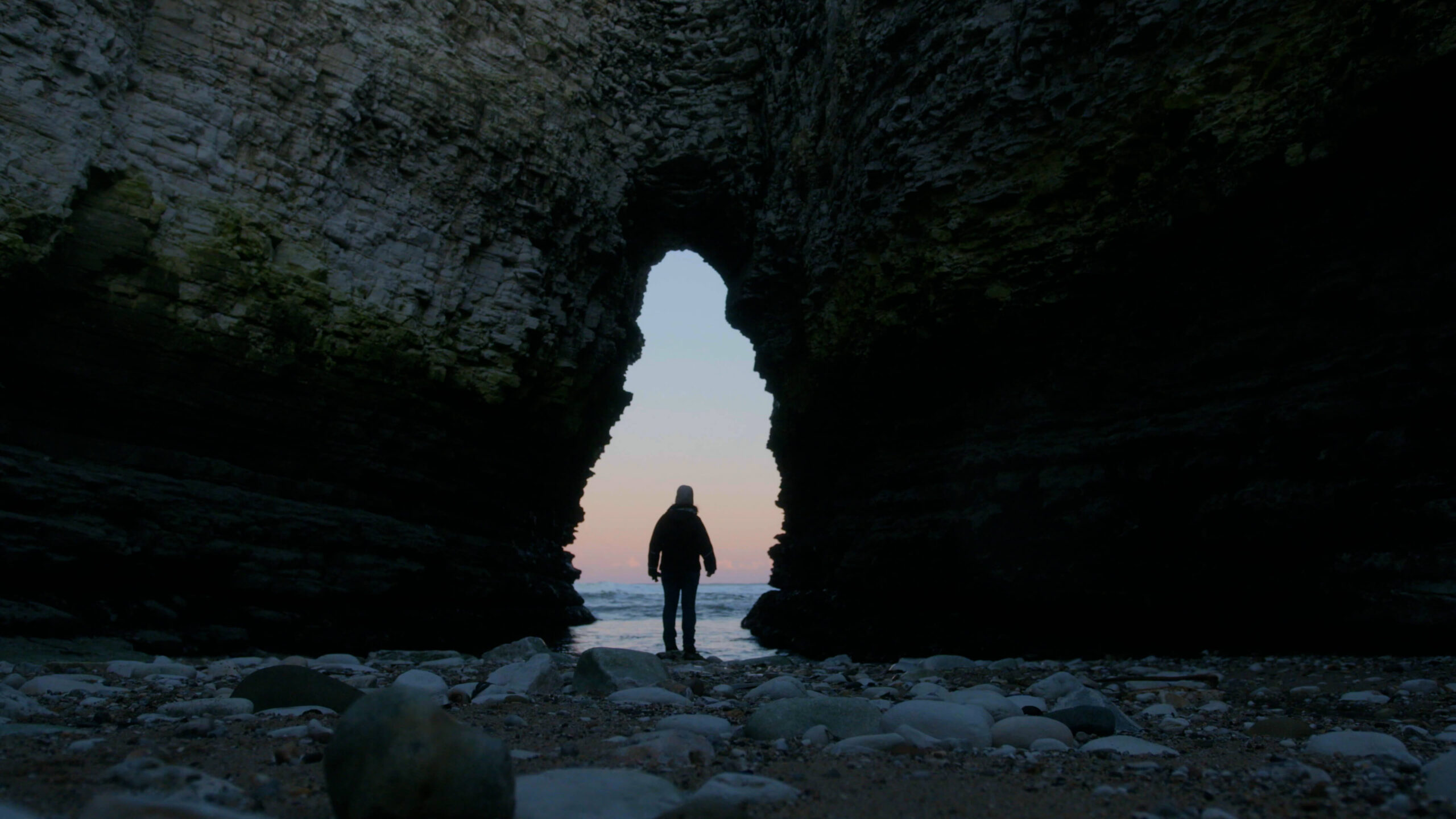
We cut through the noise of an ad-saturated market with engaging, entertaining and inspiring branded video content.
From social media shorts and how-to videos to cinematic documentaries, we work with you to tailor your content campaign to your audience and style.
And with cinema quality content, you can be sure your videos will stand out from the crowd.
Our clients




Our branded video content work
Pandora
|
Priya Ahluwalia
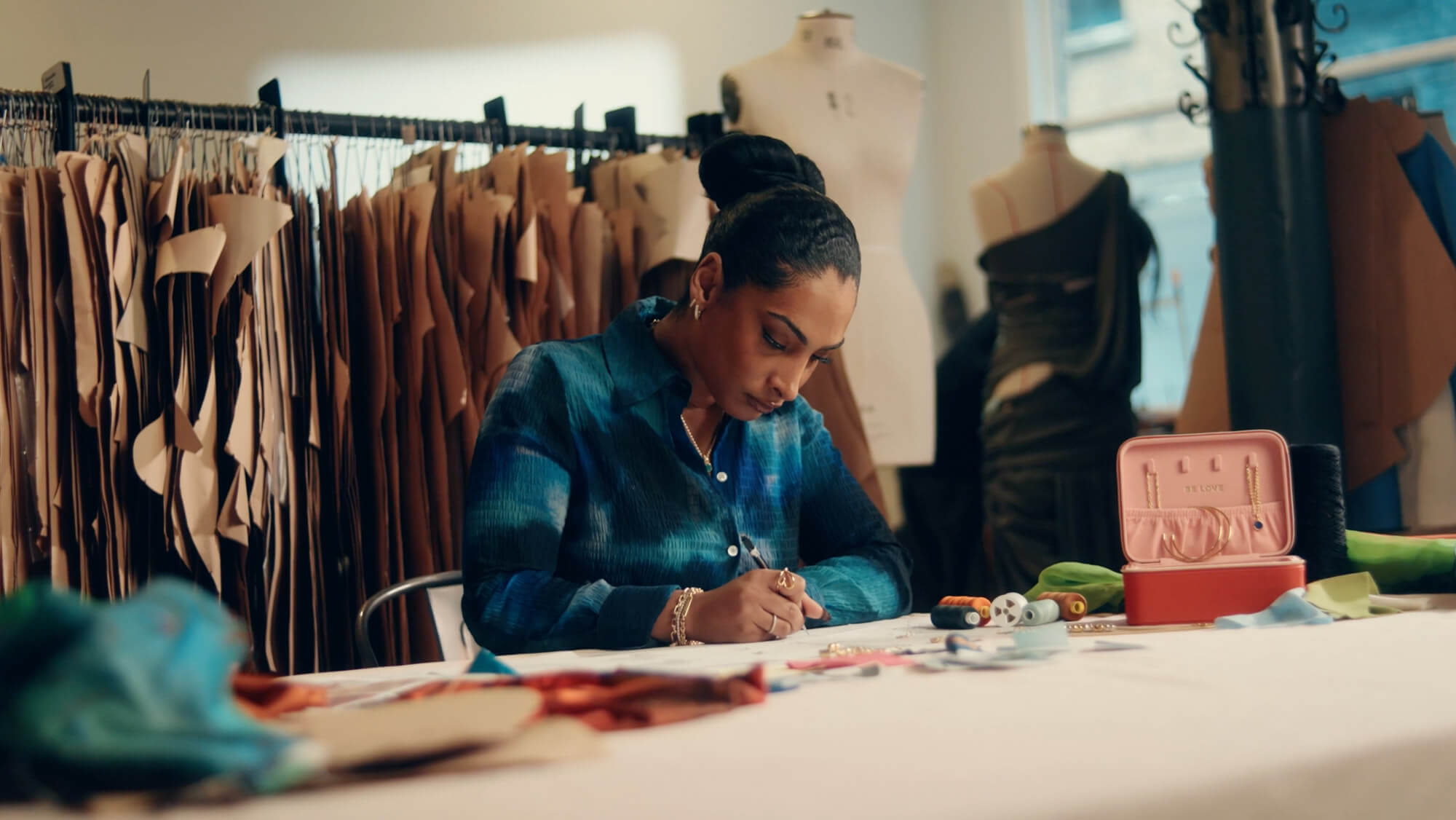
We captured designer Priya Ahluwalia’s latest collaboration with Pandora – from behind-the-scenes engraving at their Oxford Street flagship to a candid studio interview in Soho. The final film celebrates her creative process and the artistry behind the new engravable jewellery collection.
House of Marley
|
Stir it Up Lux
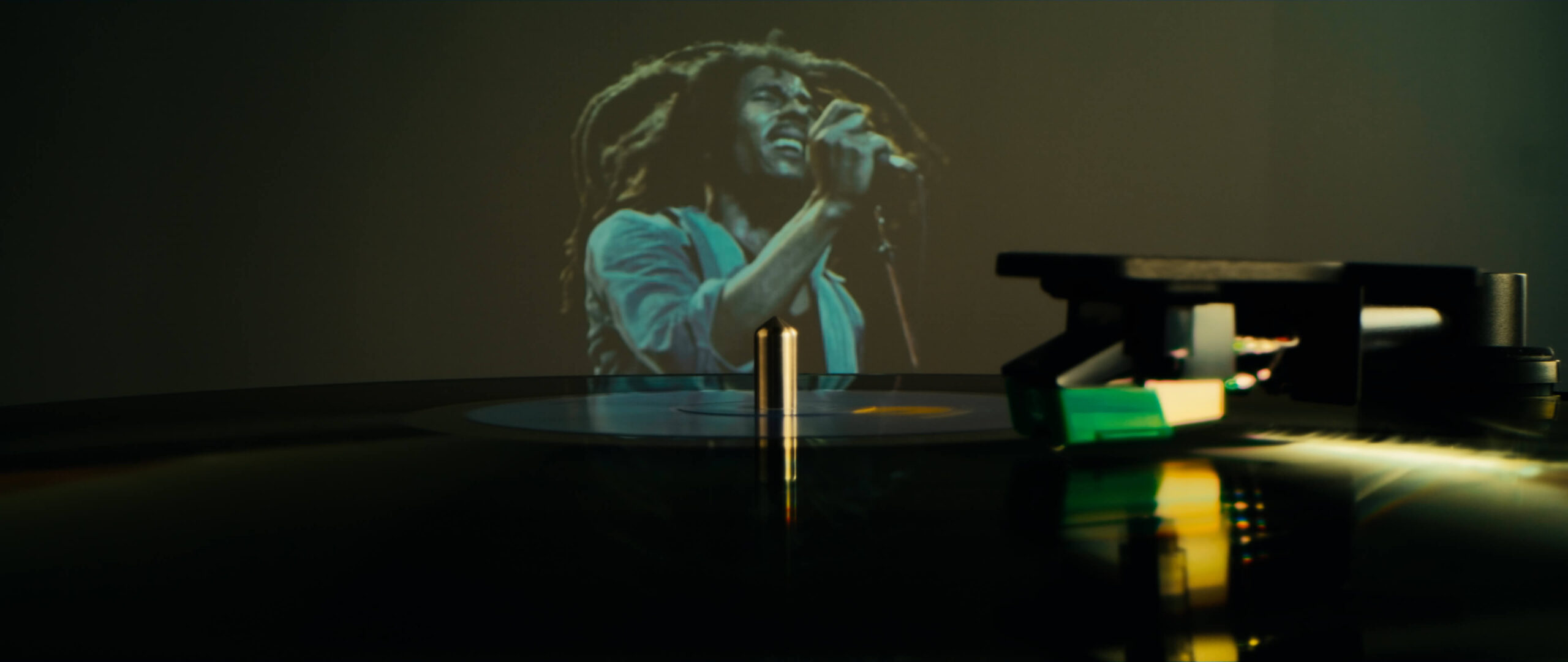
We created a series of product films for the House of Marley to advertise the launch of their new turntable – the Stir it Up Lux.
Hoo
|
Great Yarmouth
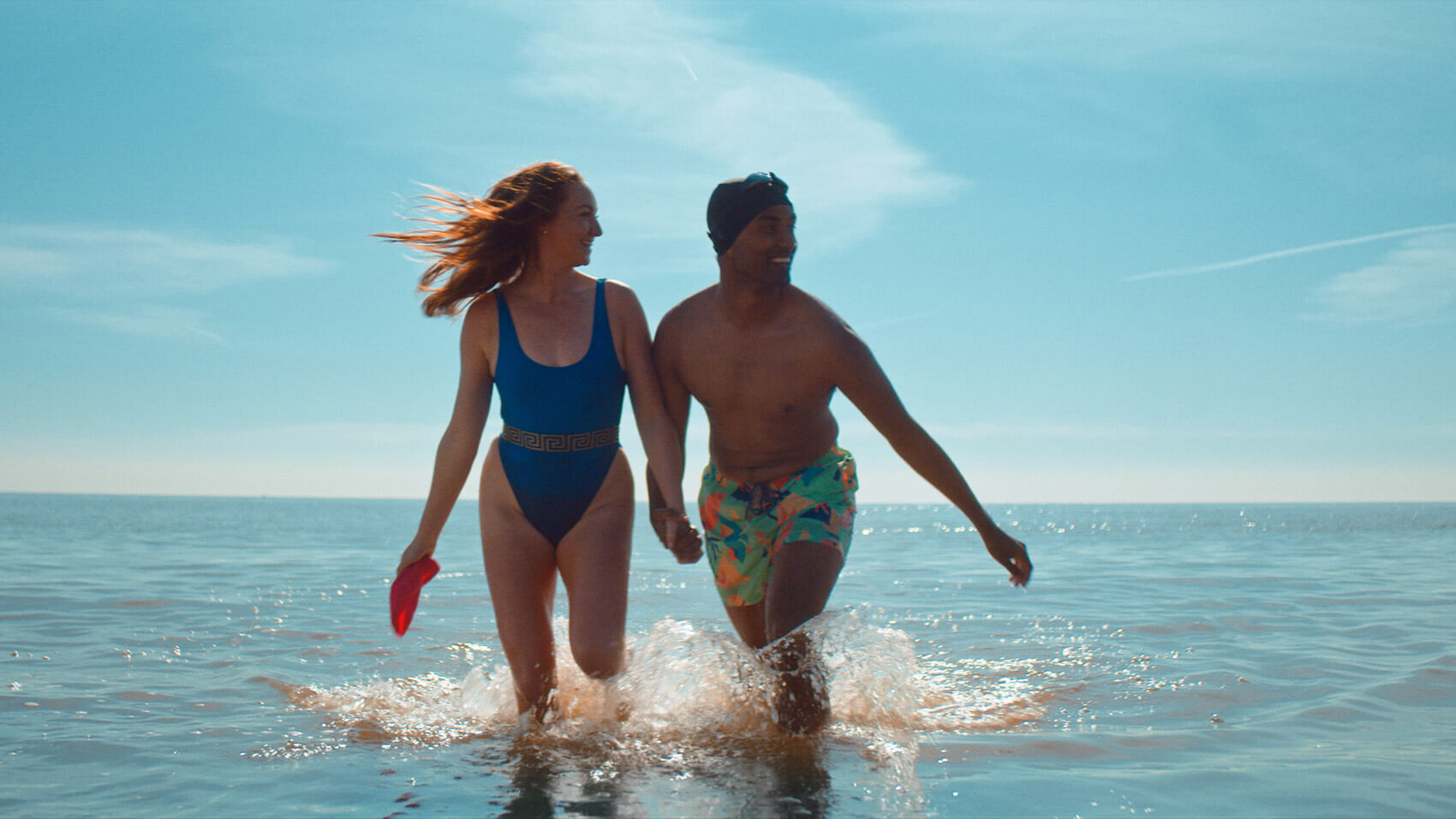
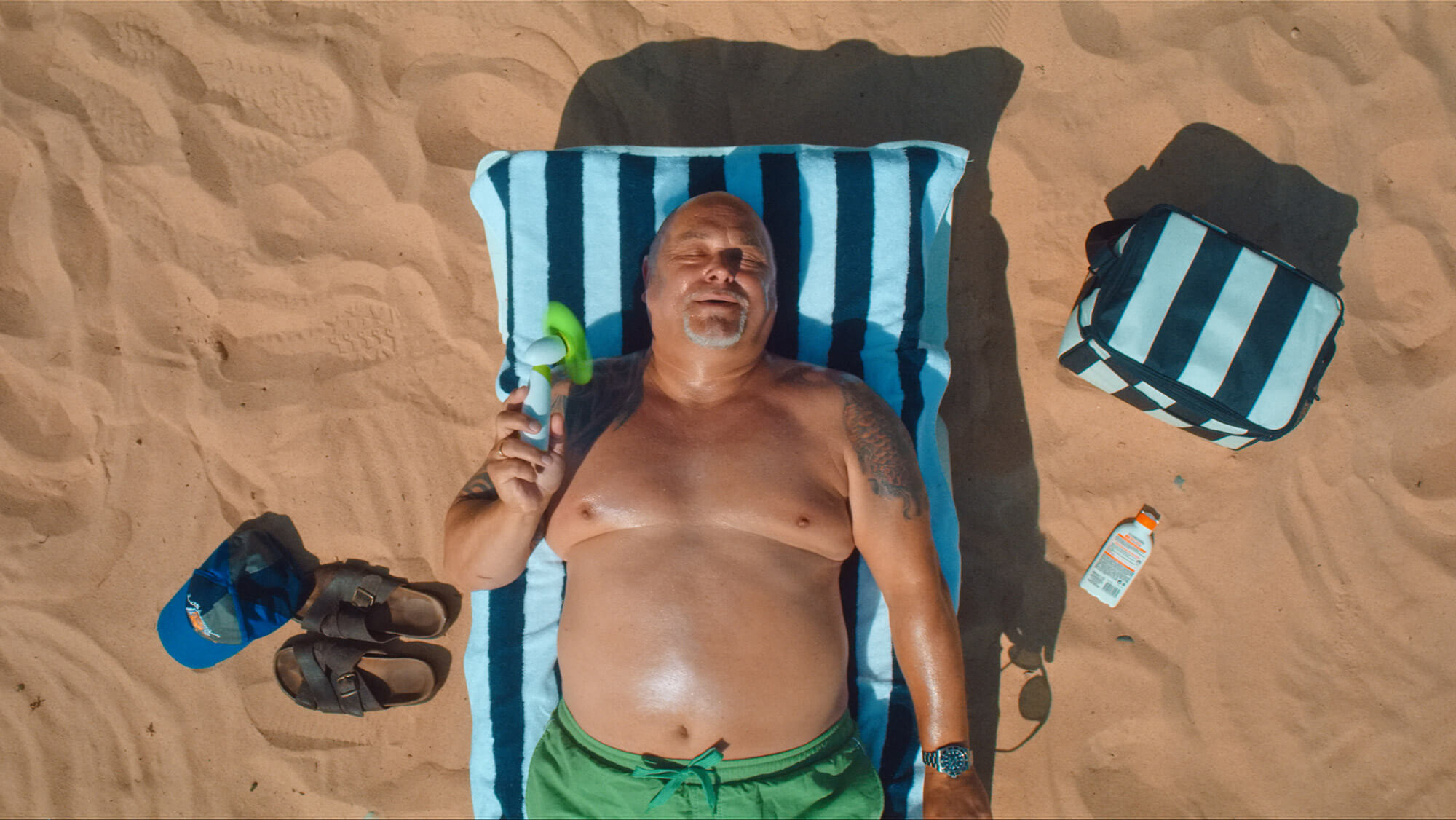
Hoo asked us to create a light-hearted promotional piece to coincide with the launch of their brand. The location they chose to promote was Great Yarmouth – here's how we made it look good.
California Wines
|
The California List
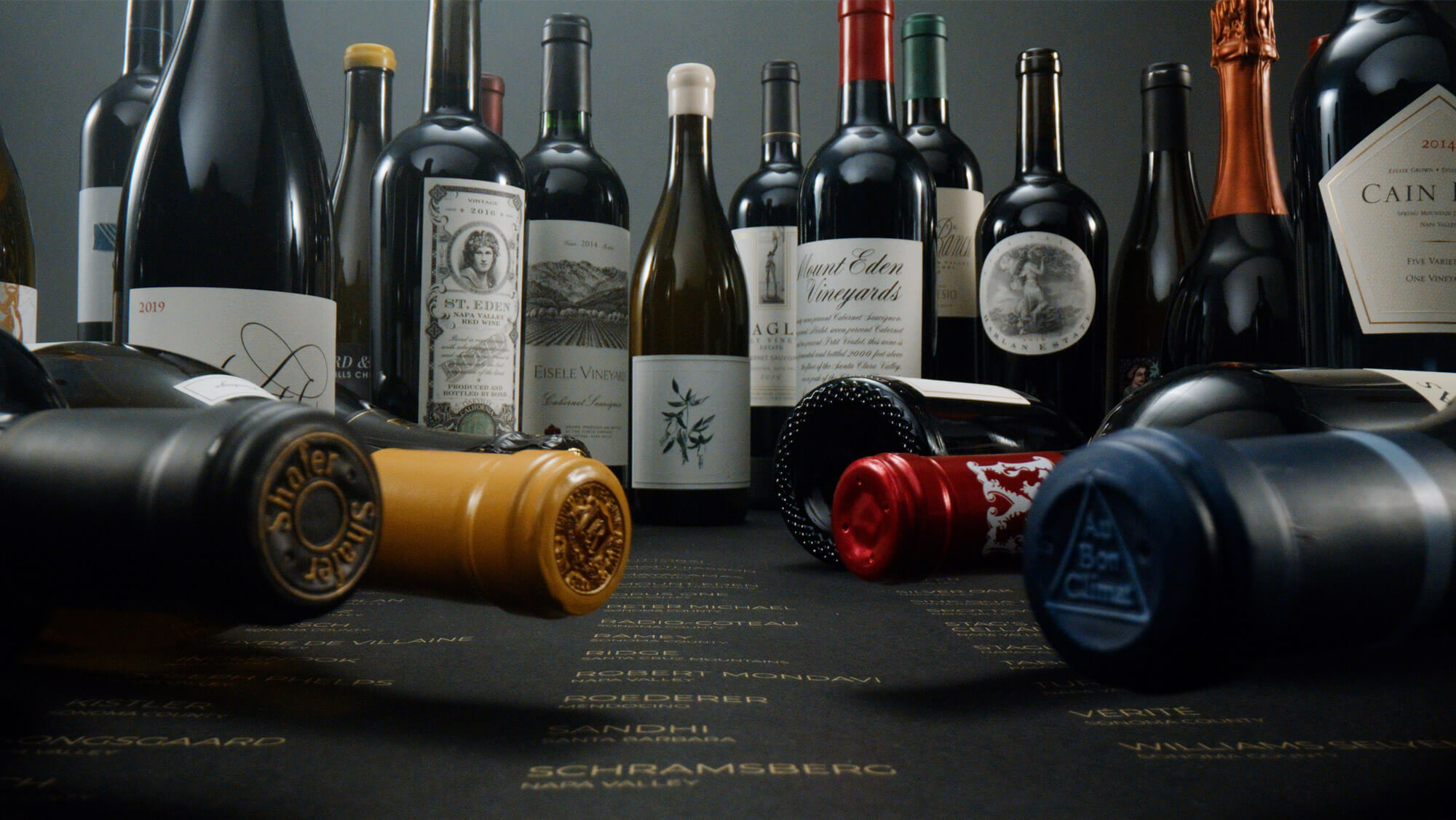
California Wines approached us to create a film celebrating The California List, a prestigious award for the best-in-class wines produced in the California Wine region.
St John Ambulance
|
Could You Save a Life
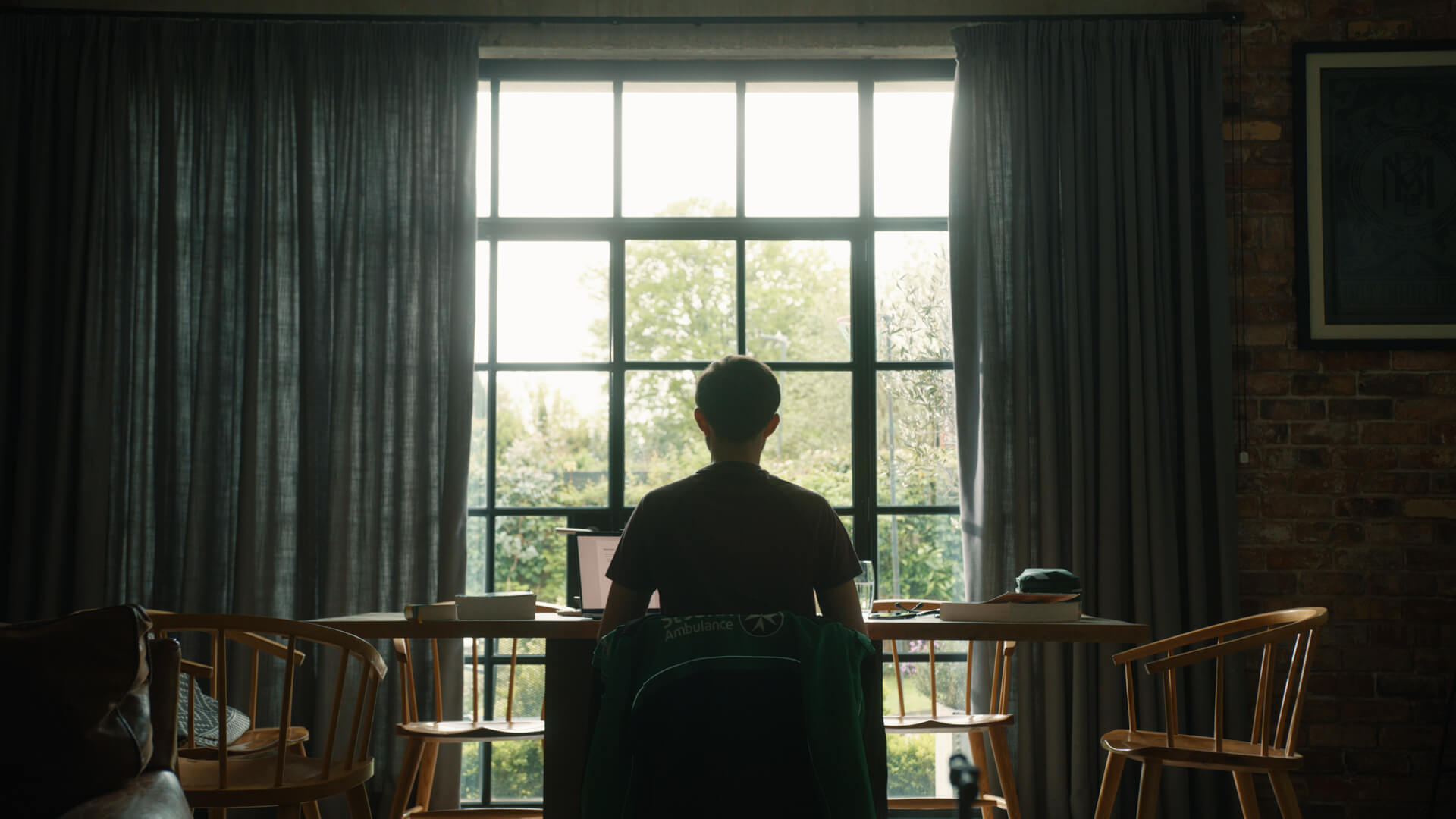
We created this five-part campaign for St John Ambulance, showcasing five different individuals who had been through the St John Ambulance training program. The videos explored how their training and expertise had saved and changed lives.
Logitech
|
Ping
We created this short ad for Logitech to promote their new product: The Logi Bolt. We work with True Agency to create a funny, relatable ad that showcases the product’s connectivity problem-busting capabilities.
Harper's Bazaar
|
Nathalie Emmanuel
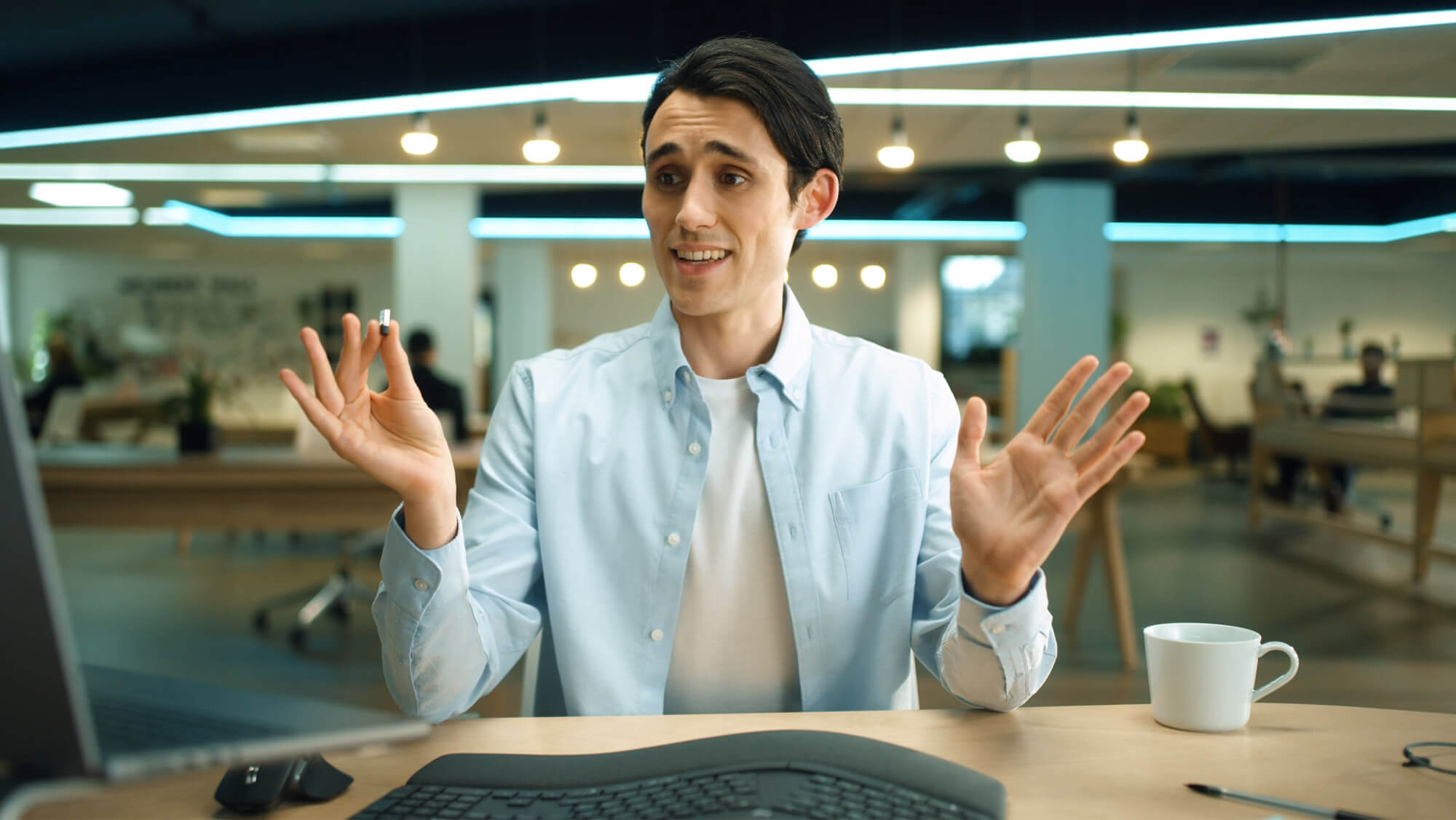
In the lead up to the release of the final series of Game of Thrones, we shot an interview for Harper’s Bazaar with GoT star, Nathalie Emmanuel. The shoot involved a mixture of fashion shots and interview questions, getting an insight into Nathalie’s time on the show, as well as capturing the Game of Thrones inspired fashion.
EZRA
|
West Ham Women Partnership
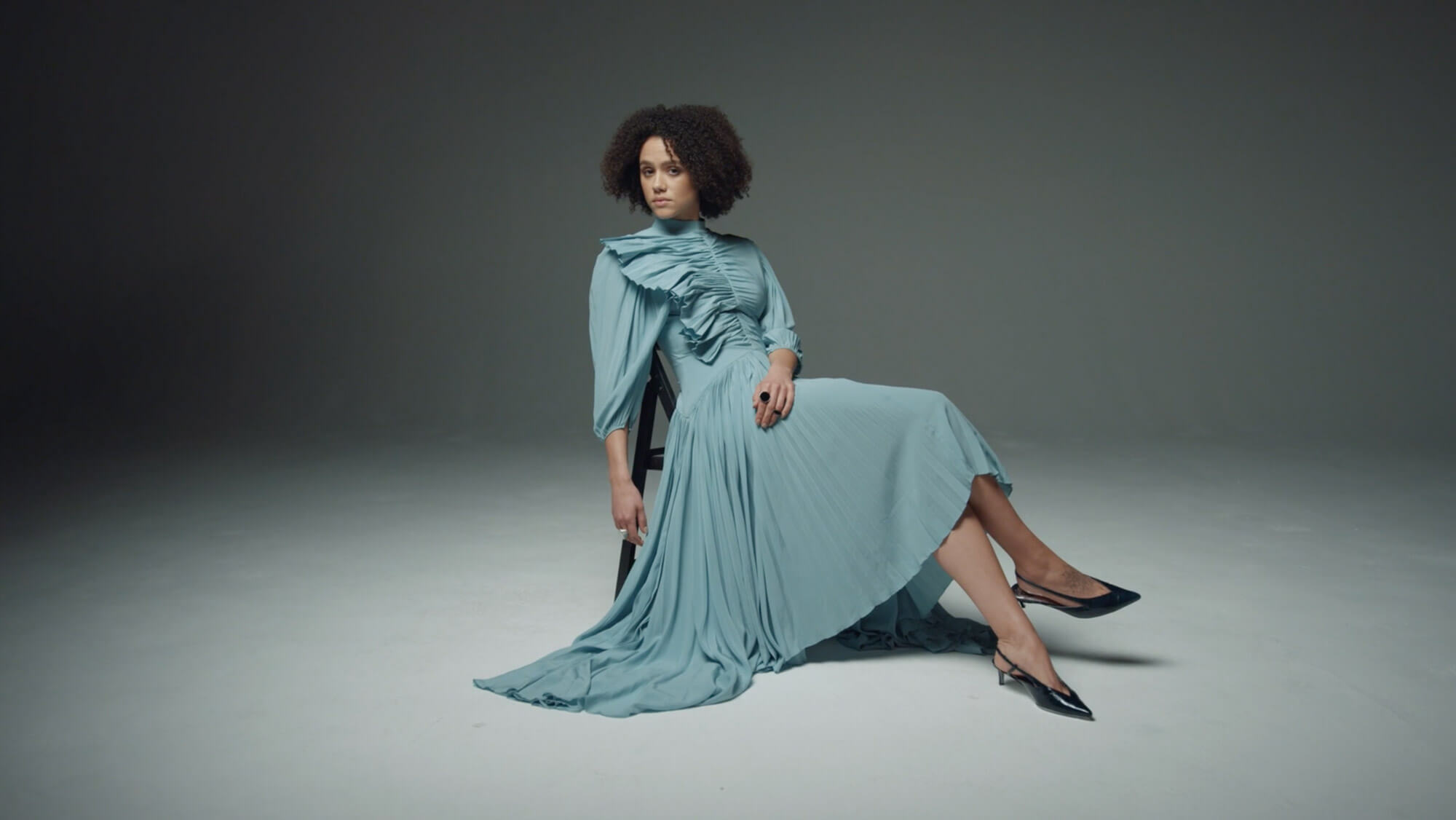
EZRA needed a video to advertise their exciting new partnership with West Ham United Women’s football team. The topline brief was to create an engaging film, showcasing the similarities between professional coaching in the workplace and coaching in sport.
Harper's Bazaar
|
Riviera
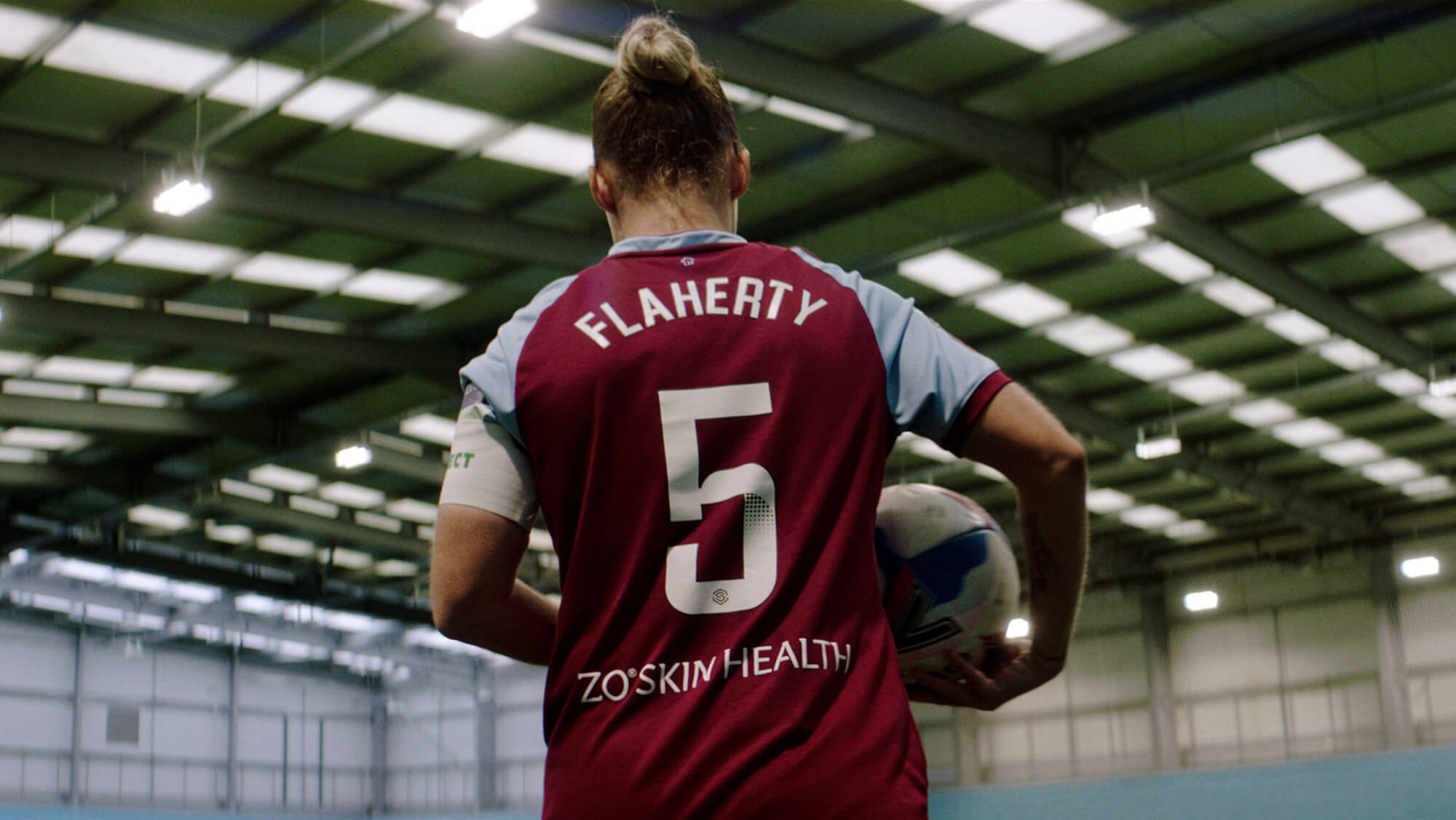
Harper’s Bazaar commissioned us to produce a Riviera fashion editorial interview and accompanying web loops with the phenomenal Julia Stiles and Poppy Delevingne. Our brief was to evoke the glitz and glamour of the show, and while a rainy shoot day in London didn’t quite feel like the Côte d'Azur, our two stars absolutely shone!
The Sunday Times
|
Sportswomen of the Year Award
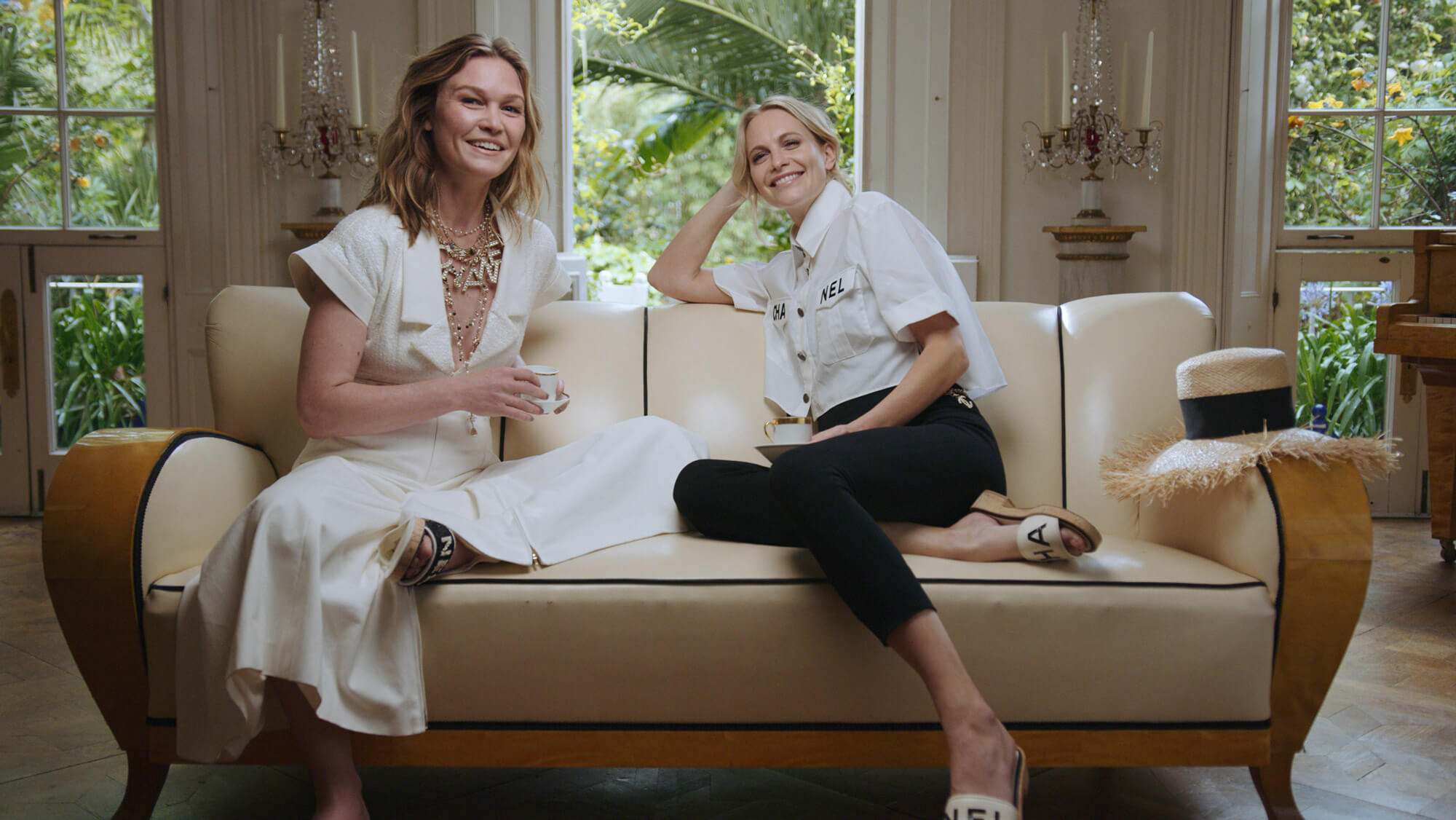
Rise Media produces nominee films and event highlights for The Sunday Times Sportswoman of the Year Awards, celebrating changemakers in sport. See here for a compilation of 2024's nominee films. There are more examples in the full case study.
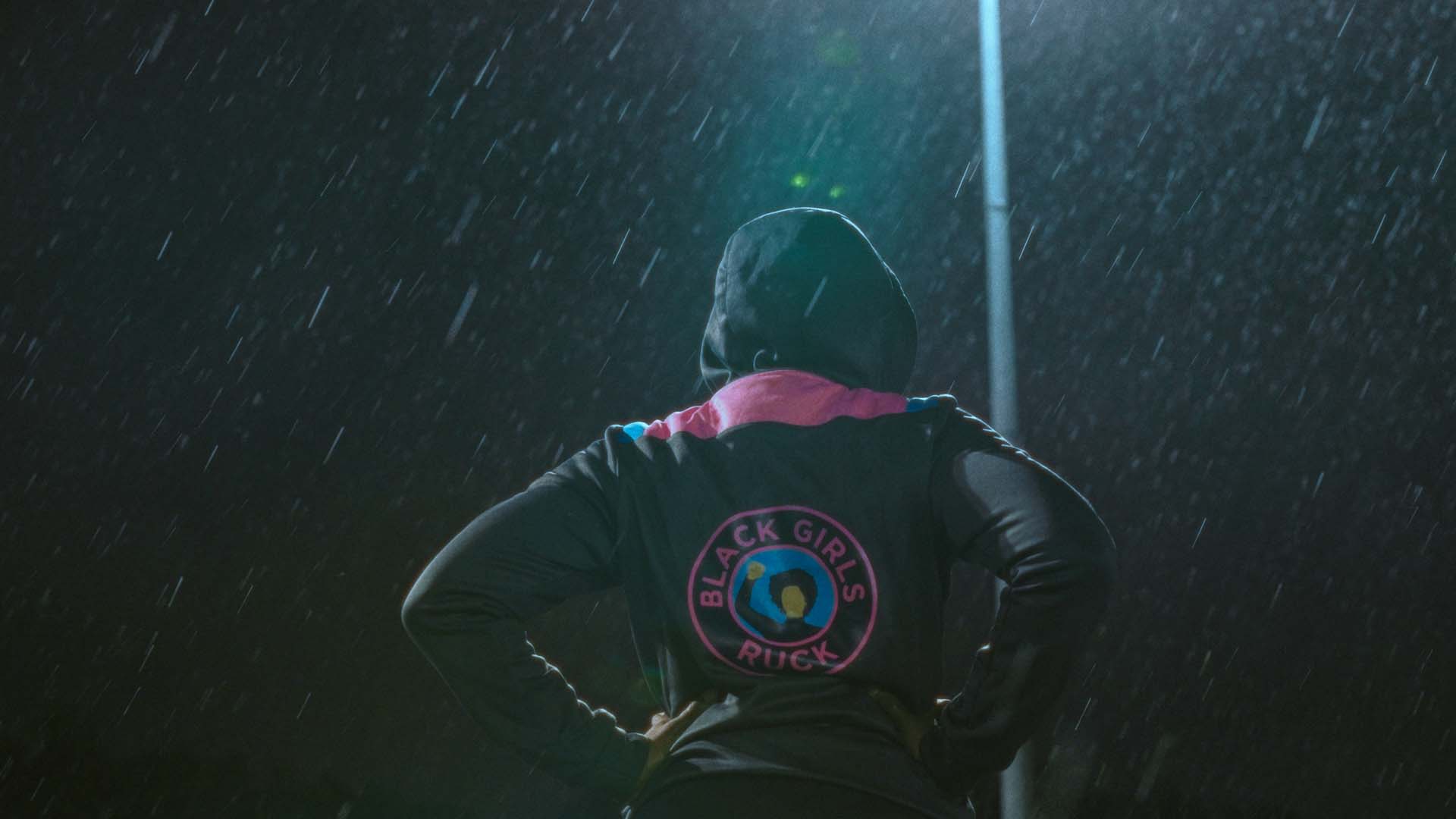
Josh Taylor
|
Tartan Tornado
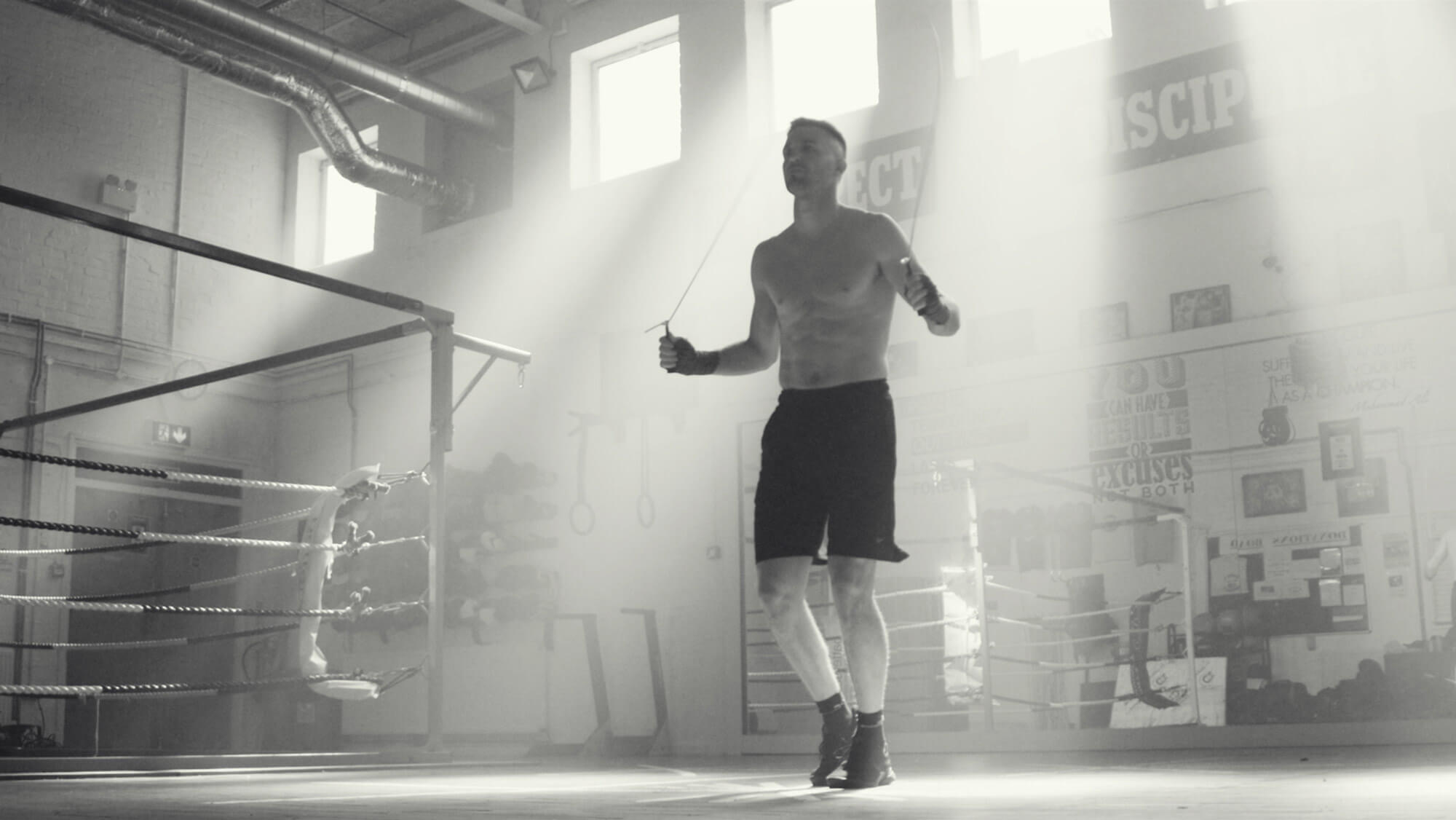
We shot and edited this film with Josh Taylor, the WBO light-welterweight world champion, for our client at News UK.
Kew Gardens
|
Marc Quinn: Light into Life
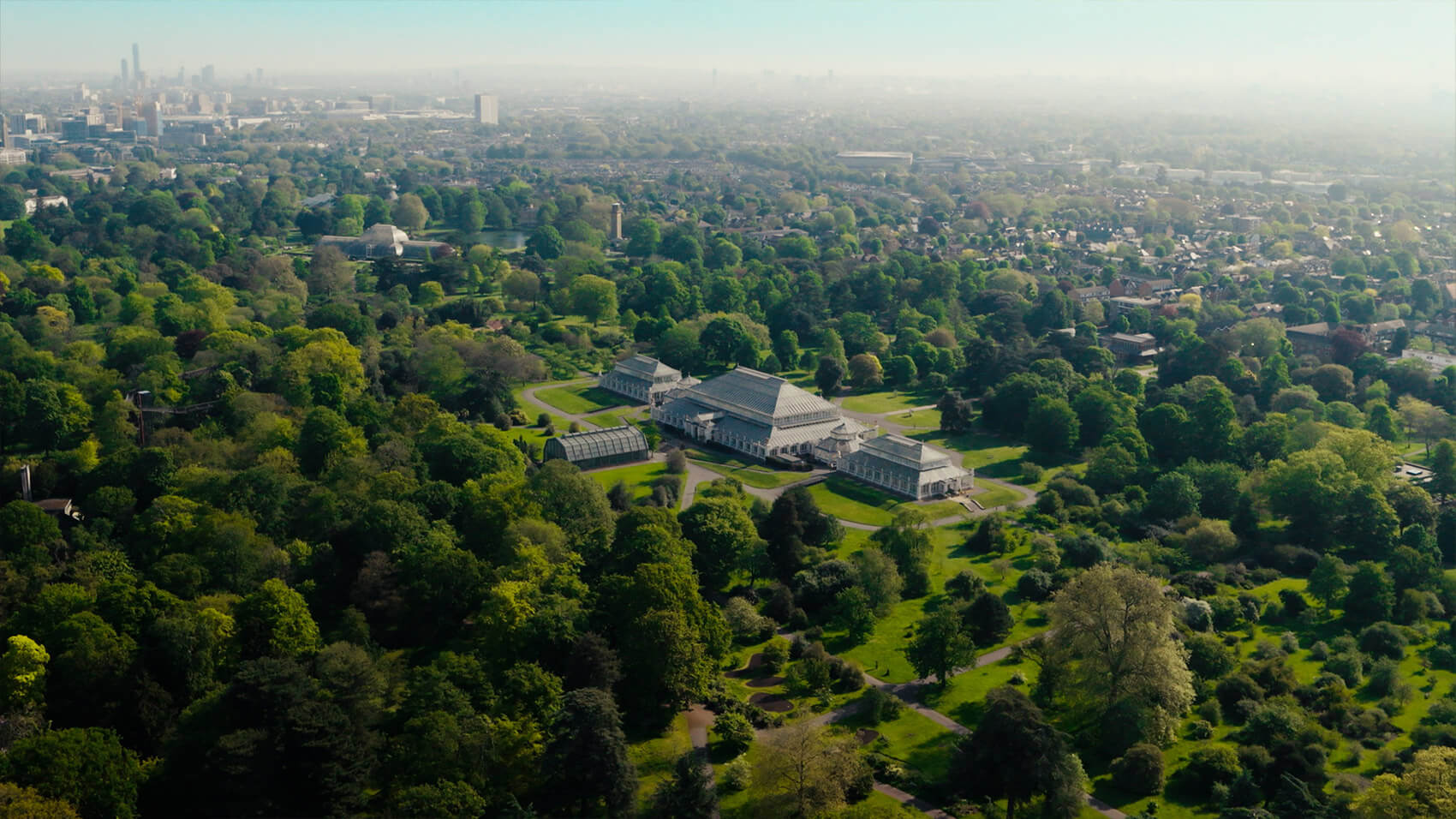
We were approached by Kew Gardens to create a captivating TV advert for artist Marc Quinn’s ‘Light into Life’ exhibition. The brief was to create a 30-second, voice-over led hero film, plus a series of engaging shorter edits designed for maximum impact on social media platforms.
BBC Storyworks
|
Blue Horizons
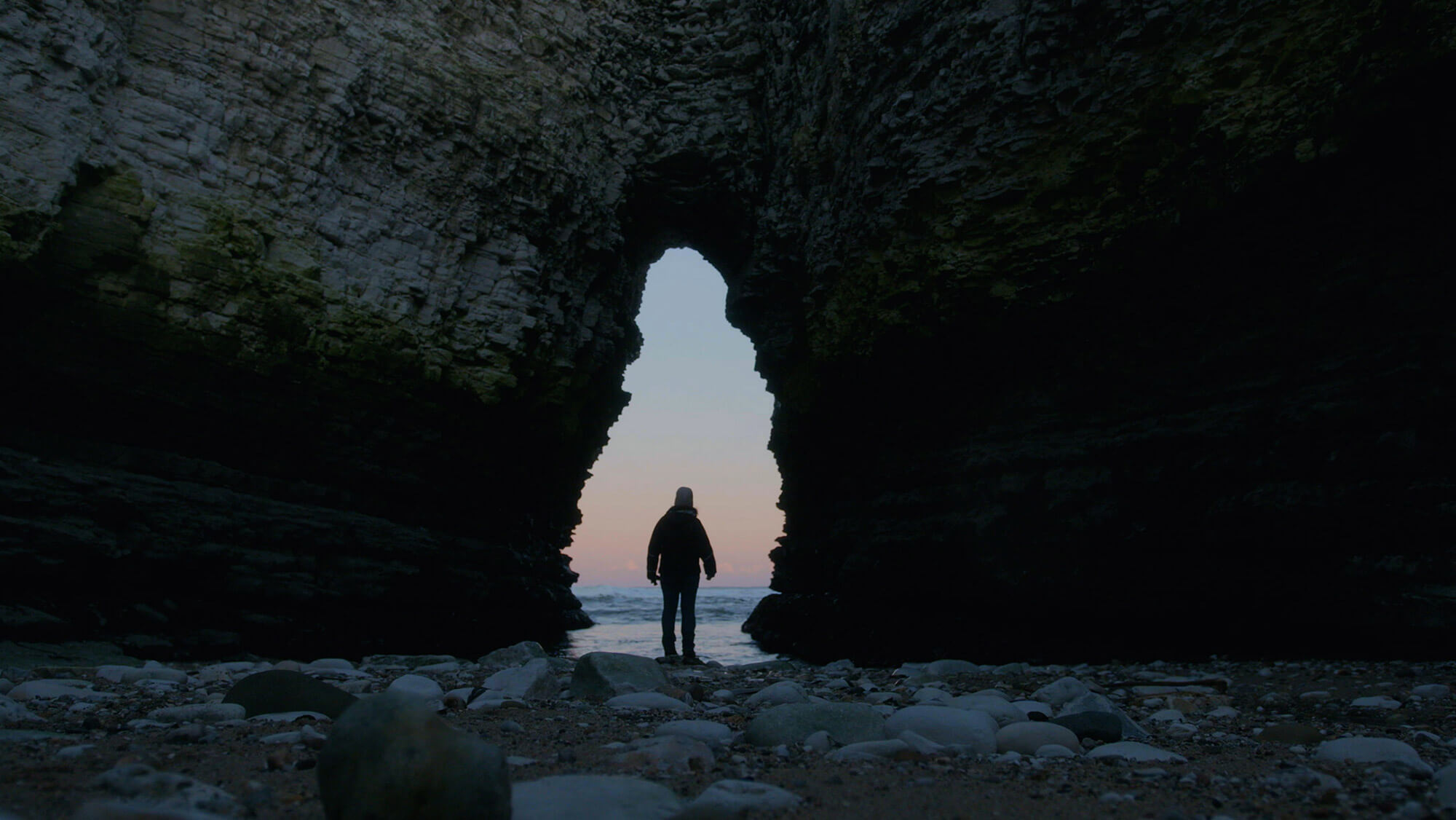
We created a five film for BBC Storyworks in partnership with Purina. The film focused on a new trial that aims to uncover how kelp can be used as a sustainable biostimulant in farming.
National Trust
|
Polsden Lacey
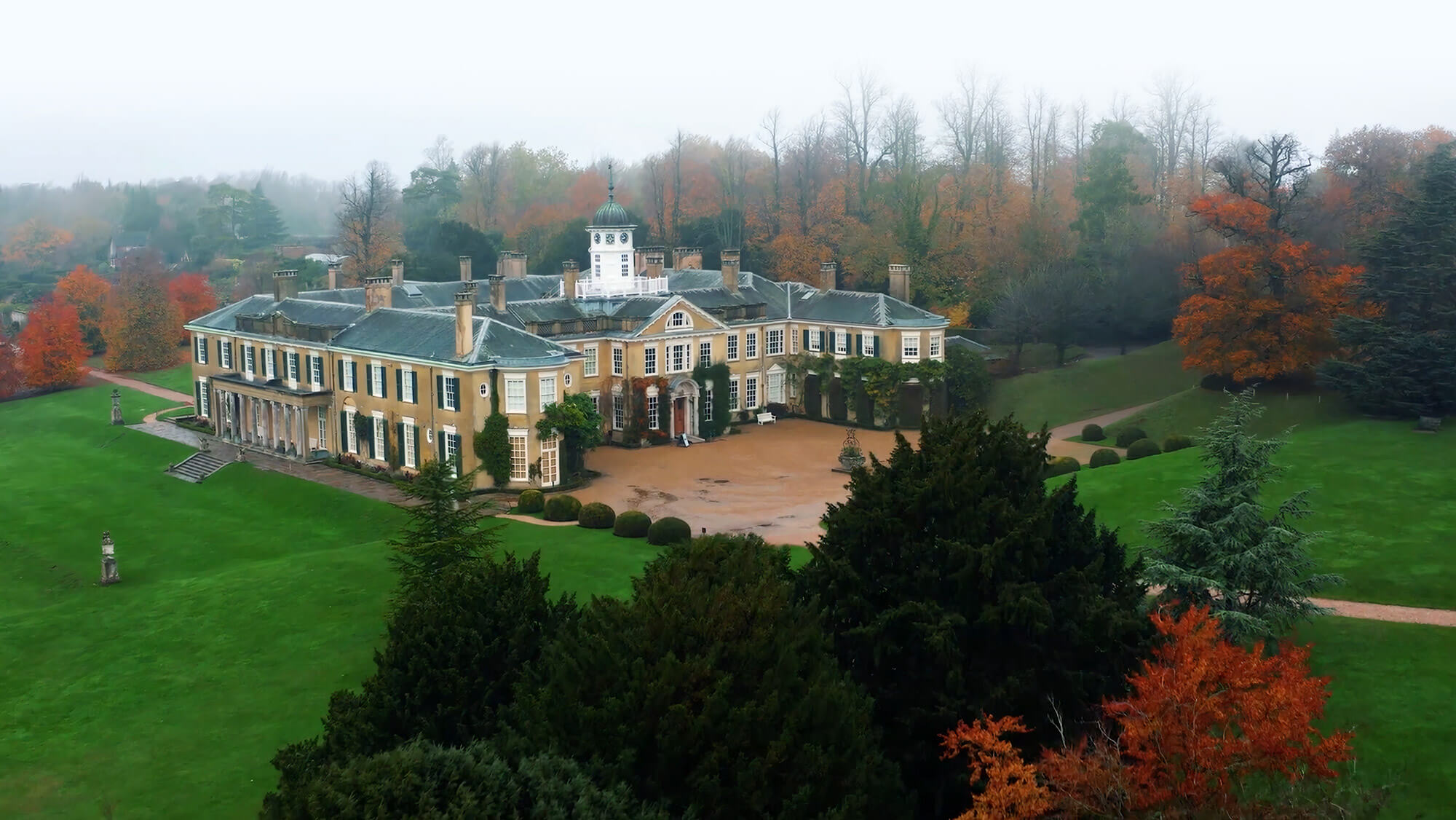
We produced a video for the National Trust at Polesden Lacey, capturing a walkthrough art installation for their Christmas event – All That Glitters.
BBC Storyworks
|
MakeSense
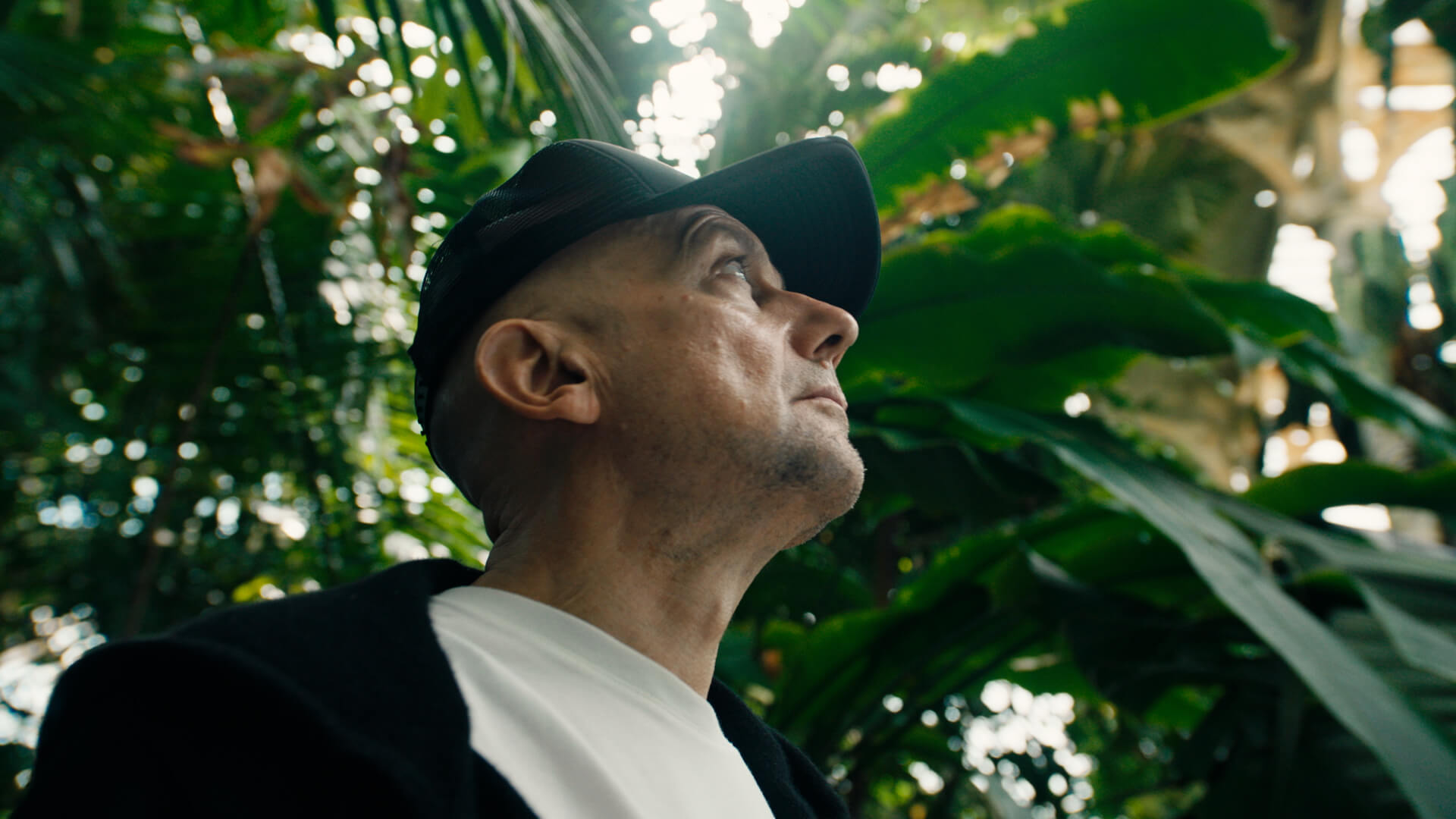
An episode of BBC Storyworks series The Human Component. Our film follows Make Sense, a startup developing navigation tech for people with sight loss. Their device – the Vector – uses GPS and haptic feedback to help users plan and follow routes independently. At its heart is Mark Baxter, one of the first testers, who’s helped shape every version of the device.

Bose
|
Sleepbuds
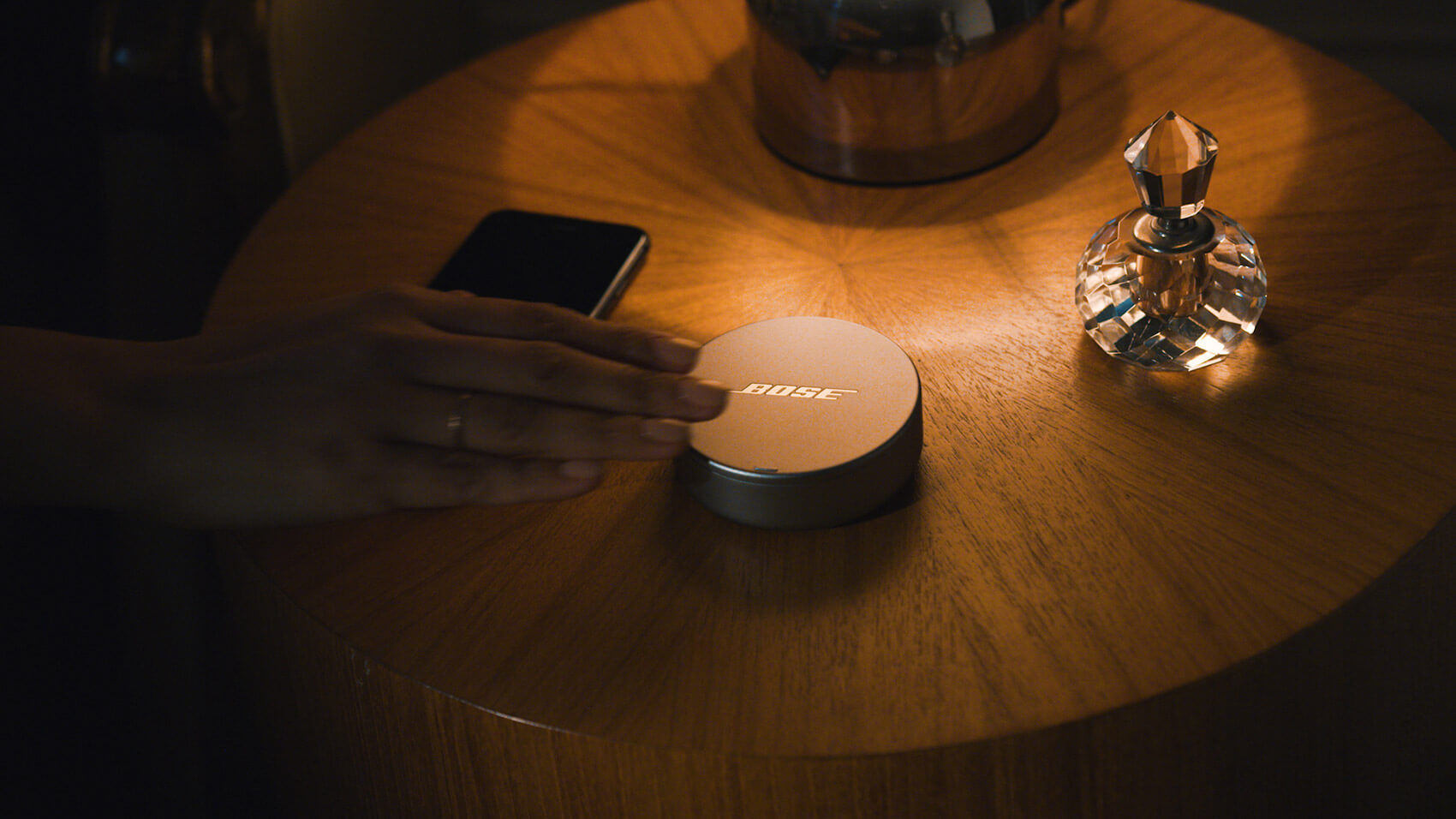
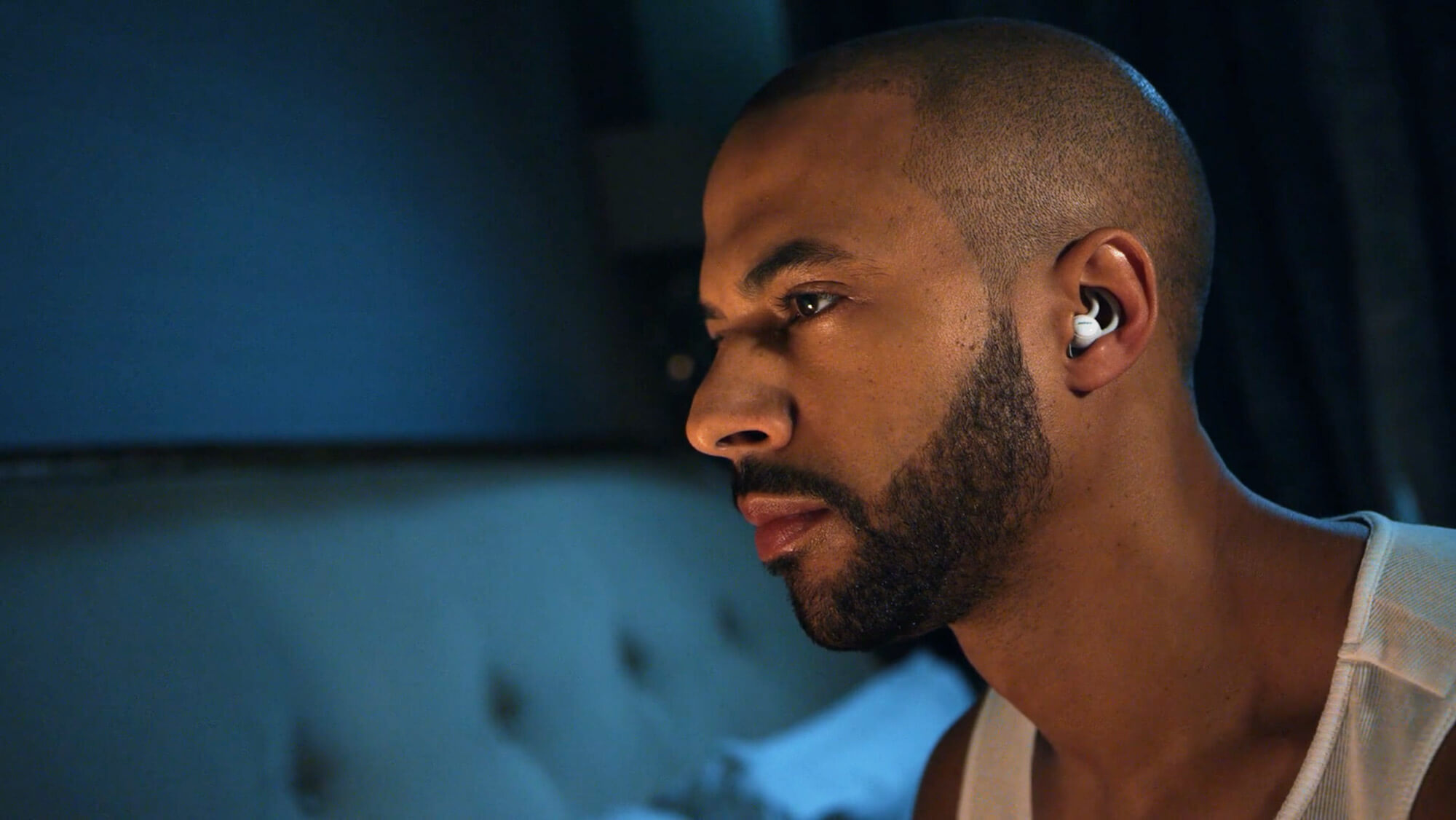
Hearst Content Agency partnered with BOSE to create a series of films promoting the launch of BOSE’s new Sleepbuds. We were commissioned to produce, direct, shoot and edit the videos.
EZRA
|
Ripple Effect Series
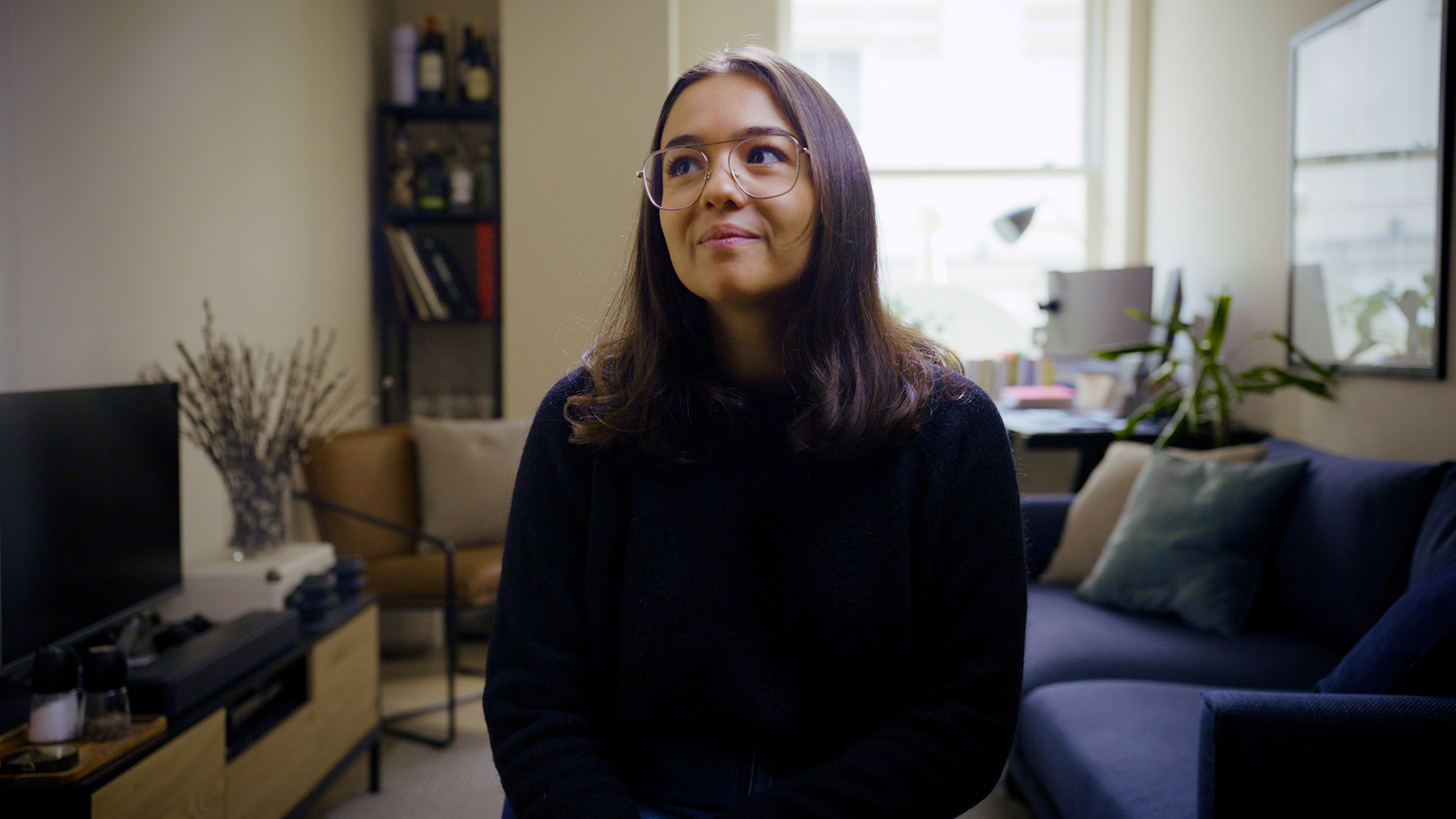
Digital coaching experts EZRA asked us to conceptualise, shoot and edit two mini documentary episodes for the platform. We pitched the central idea for the series, showing how professional coaching can create a positive ripple effect out into other areas of life.
Harper's Bazaar
|
Women Of The Year Awards
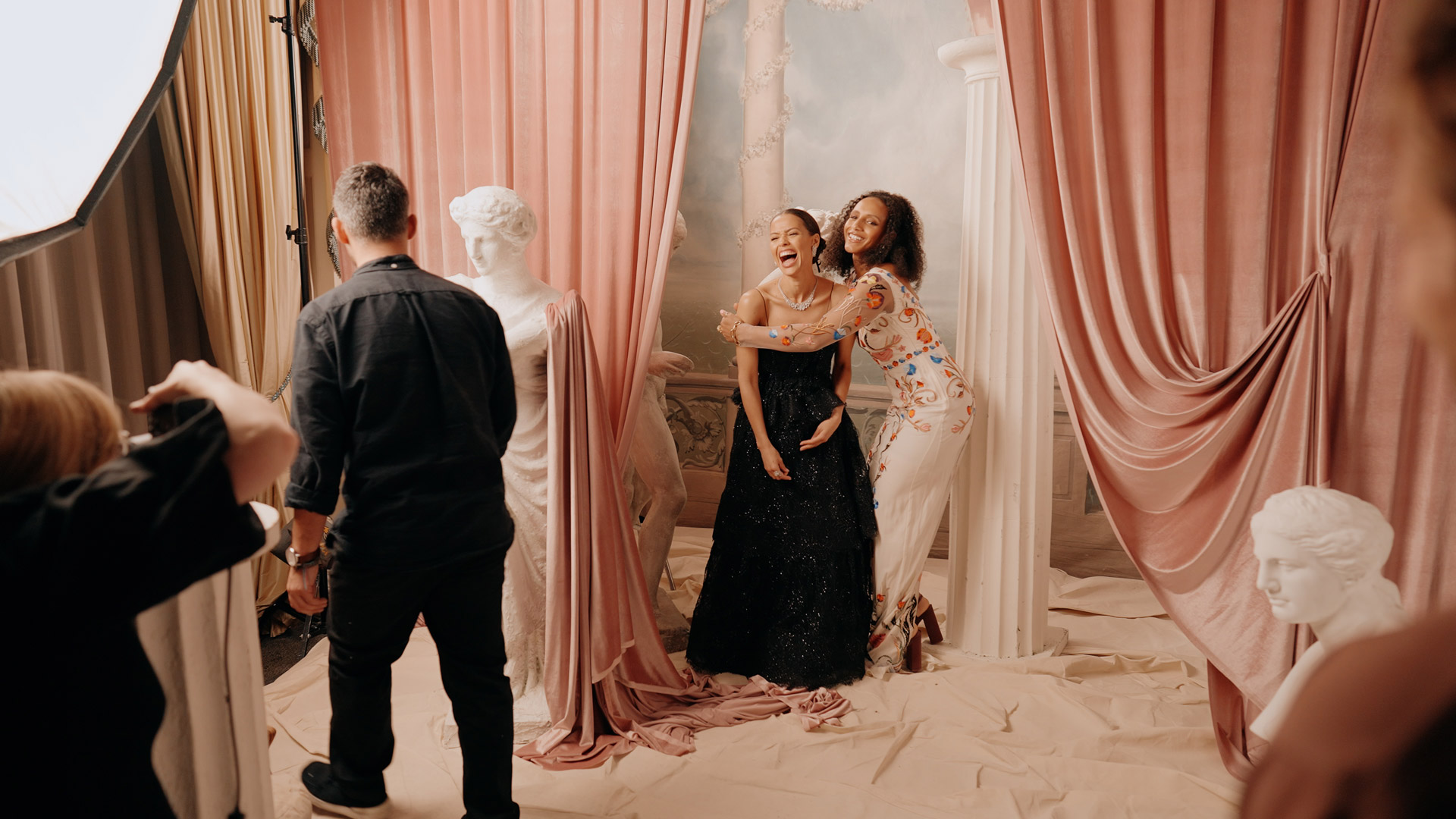
We have covered the Harper's Bazaar Women of the Year Awards every year since 2015. The event features talent from film, television, art, culture and literature. Guests included Victoria Beckham, Jenna Ortega, Janelle Monáe and many others.
Why branded video content?
Branded content adds value in a way that traditional advertising can’t.
1/
Connect with customers
Resonate with your audience through storytelling that creates an emotional connection.
2/
Expand your audience
Hand-pick your partnerships to align your brand with established audiences.
3/
Create customer loyalty
Keep customers coming back with content that adds value to their lives.


Get in touch
Drop us a line – we’d love to chat.
FAQs
The simplest way to think about it is the difference between interruption and permission.
Traditional advertising works by stopping someone in their tracks. A pre-roll ad before a YouTube video, a pop-up banner, a TV spot wedged between programme segments. It’s designed to capture attention by force, and the audience knows it. That’s why ad-skip rates keep climbing and banner blindness is well-documented.
Branded content flips the dynamic entirely. Instead of interrupting your audience, you’re offering them something they actually want to watch. A compelling story, a useful insight, a piece of entertainment that just happens to carry your brand at its heart. The audience chooses to engage with it. That’s a fundamentally different relationship.
At Rise, we create cinema-quality branded content that earns attention rather than buying it. When your audience actively seeks out your content, the trust, recall, and emotional resonance you build go far deeper than any 30-second spot ever could.
We start from a position that “views” and “likes” are vanity metrics. They tell you someone saw something. They don’t tell you that it did anything meaningful for your business.
Our approach is what we call conversion-led creative. Before we develop a concept, we align the visual strategy with specific business outcomes. That might be increased time on page, stronger engagement from qualified prospects, improved brand sentiment within a target audience, or reduced churn among existing customers. The creative decisions (format, length, distribution platform, narrative structure) all flow from those objectives.
Every branded video we produce is treated as a business asset, not an expense. Assets compound in value over time. They can be repurposed across channels, refreshed for new campaigns, and measured against real commercial indicators.
This is the phase that separates considered production from reactive content. We think of it as brand immersion, and it’s designed to ensure that every creative decision we make is rooted in who you are, who you’re speaking to, and what you’re trying to achieve.
During Creative Discovery, we dig into your brand’s DNA: your values, your visual language, the tone that resonates with your audience, the competitive landscape you operate in. We look at what your brand says, how it says it, and where the gaps are between your current content and your strategic ambitions.
From there, we develop the script direction, visual treatment, and tonal framework for the project. By the time a camera is touched, the concept, narrative arc, and visual style are 100% aligned with your brand goals and signed off.
This front-loaded approach prevents expensive mistakes later. Reshoots, late-stage creative pivots, and “that’s not quite right” feedback loops in post-production almost always trace back to a discovery phase that was rushed or skipped entirely. We’d rather invest the time upfront to get the foundations right.
Our production workflow follows four clear stages, each with defined deliverables and approval points so you always know where you stand.
- Concept and Creative Discovery We define your objectives, audience, core message, and visual approach. This is where the brand immersion work happens and the creative brief is locked. Depending on the project’s complexity, timeline and scale, this stage typically runs for one to four weeks.
- Pre-production Scripts are written, storyboards are developed, and all logistics are planned: locations, talent, crew, equipment, and scheduling. You’ll review and approve the script and visual direction before anything moves forward. Allow one to three weeks for this stage, depending on the scope.
- Production The shoot itself. This could be a single day for a focused piece of content, or multiple days across different locations for larger campaigns. Our in-house team manages the entire shoot, so there’s one point of contact throughout.
- Post-production Editing, colour grading, sound design, music, graphics, and final delivery is all managed in-house. We provide structured review rounds at key milestones (all scheduled in during the pre-production phase), rather than open-ended revision cycles, which keeps the edit focused and efficient. Post-production typically takes one to four weeks. But we also offer a rush delivery service for projects requiring fast-turnarounds.
End to end, most branded content projects run between four and ten weeks from kickoff to final delivery. Larger campaigns with multiple deliverables may extend beyond that, but we’ll always map out a clear timeline at the start so there are no surprises.
We think it’s important to be upfront about this. All of our creative is entirely human-led. AI is part of our toolkit, and we’re deliberate about where we use it and where we don’t.
We draw a clear line between two types of AI in production. The first is workflow AI: tools that make our technical processes faster and more efficient. We use AI for audio cleaning, removing unwanted objects from shots, transcription, storyboard development, metadata tagging, and upscaling archive footage. These are tasks where AI delivers measurable time savings without touching the creative substance of the work.
The second is generative AI: tools that create visual or narrative content from scratch. We treat this with caution. For brand-safe, high-end production, the risks of generative AI (visual inconsistency, lack of originality, brand misalignment) currently outweigh the benefits. Your brand’s creative identity is too important to hand to an algorithm.
So our position is straightforward. AI handles the heavy lifting behind the scenes. Creative concept development, storytelling, and directorial vision remain entirely human-led. That’s how we stay efficient without compromising the quality or authenticity of the work.