
What Is Pre-Production, And Why It Matters
Pre-Production, The Invisible Engine
Why 80% of Your Video's Success Happens Before the Camera Rolls
There’s a phrase that gets thrown around a lot in the world of production : “We’ll fix it in post.” And the post production team hate it.
It suggests that no matter what goes wrong on the shoot day, a talented editor or VFX artist can rescue the project later. Bad weather? Colour grade it. Person in the background? Mask them out. Missing shot? Stock footage and a prayer.
But the inconvenient truth is that “fix it in post” can be a budget killer.
Yes, a brilliant editor can polish a rough shoot… But polishing is all it is. You can’t edit your way to a story that was never scripted, a performance that was never cast properly, or a shot that was never captured. The most successful campaigns aren’t rescued in the edit, they’re refined weeks before anyone touches a camera.
That phase has a name: pre-production, and it isn’t just paperwork. It’s the phase where you determine whether your video will be an asset or an expense.
What Actually Is Pre-Production?
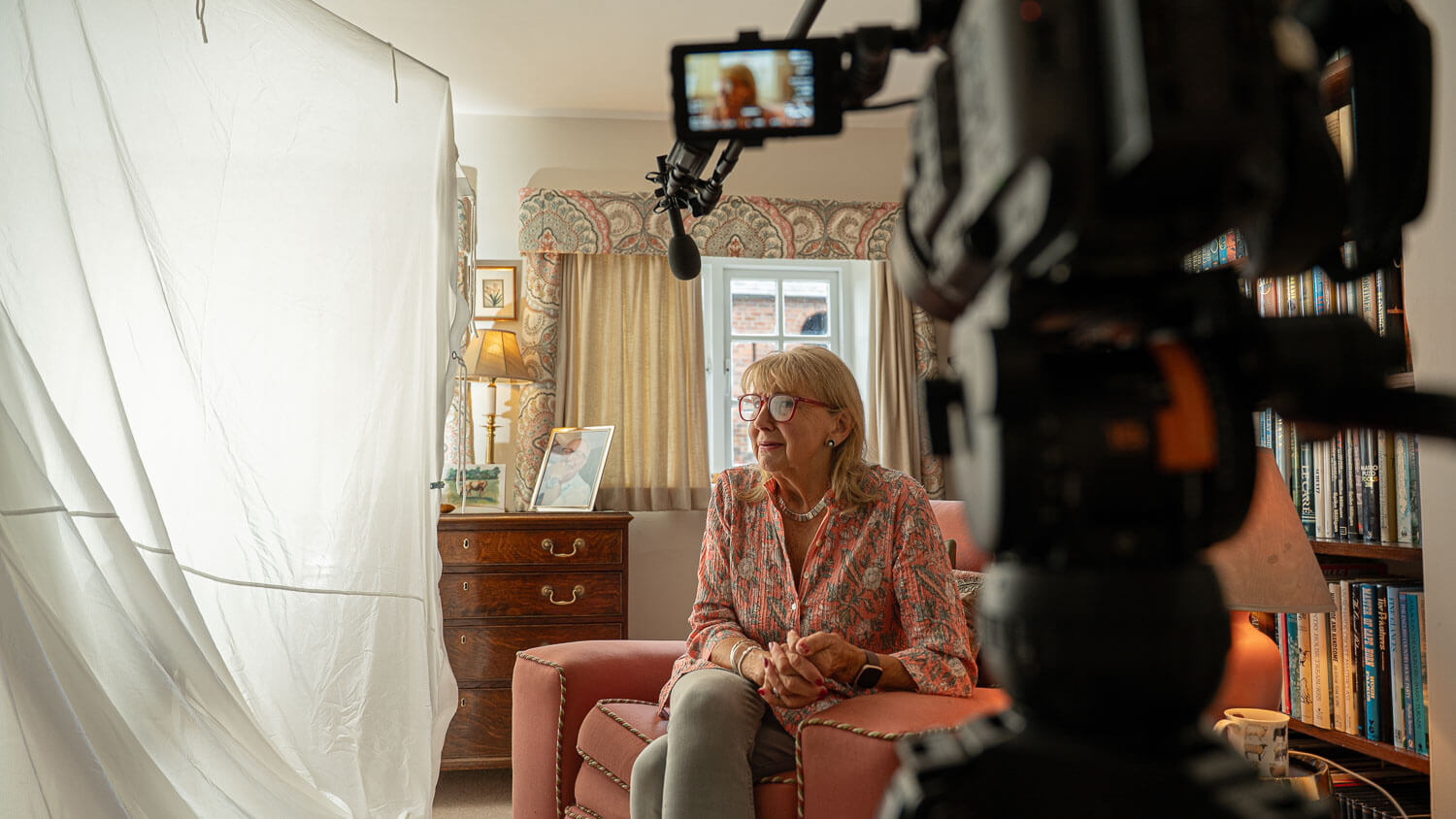
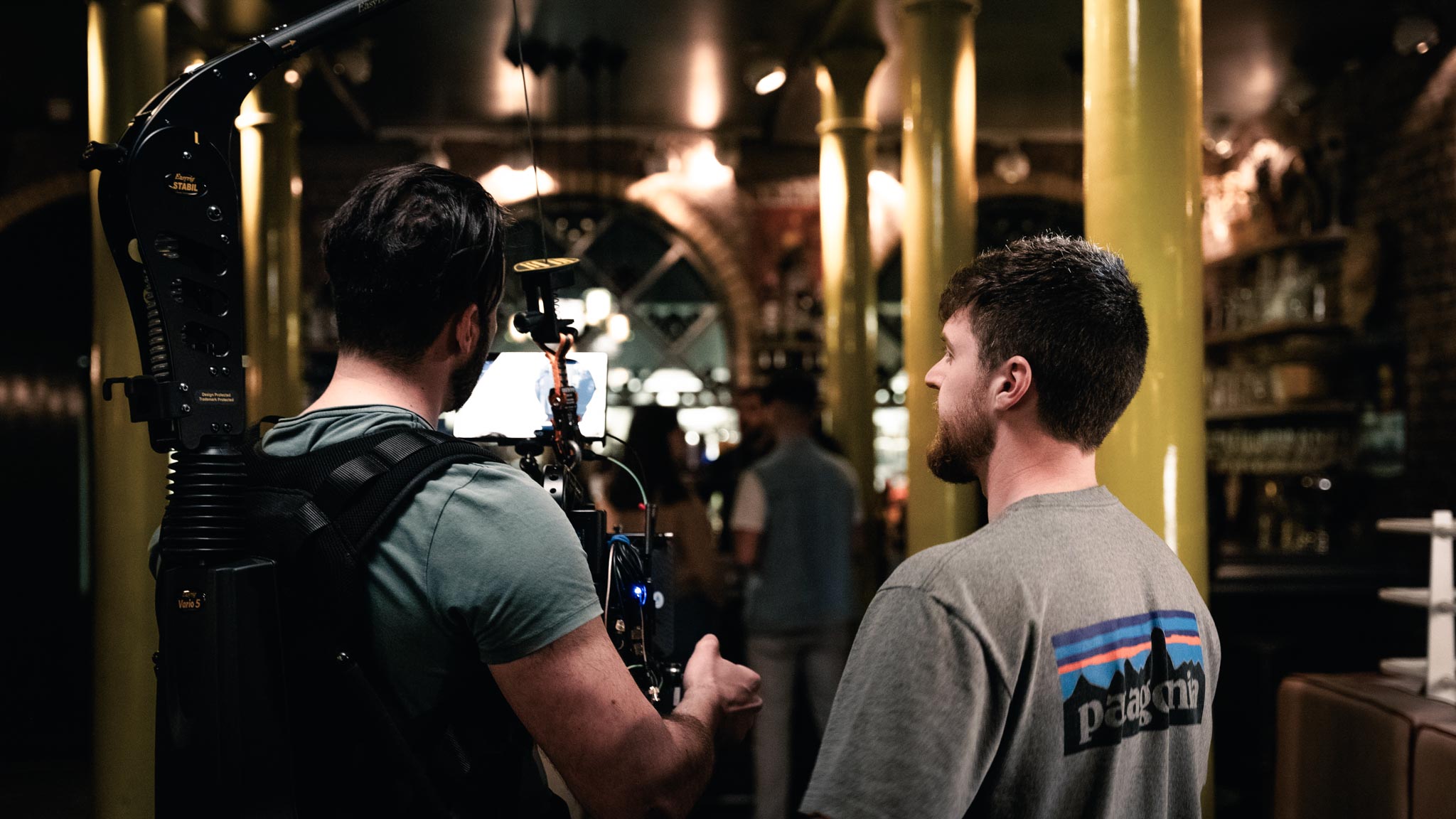
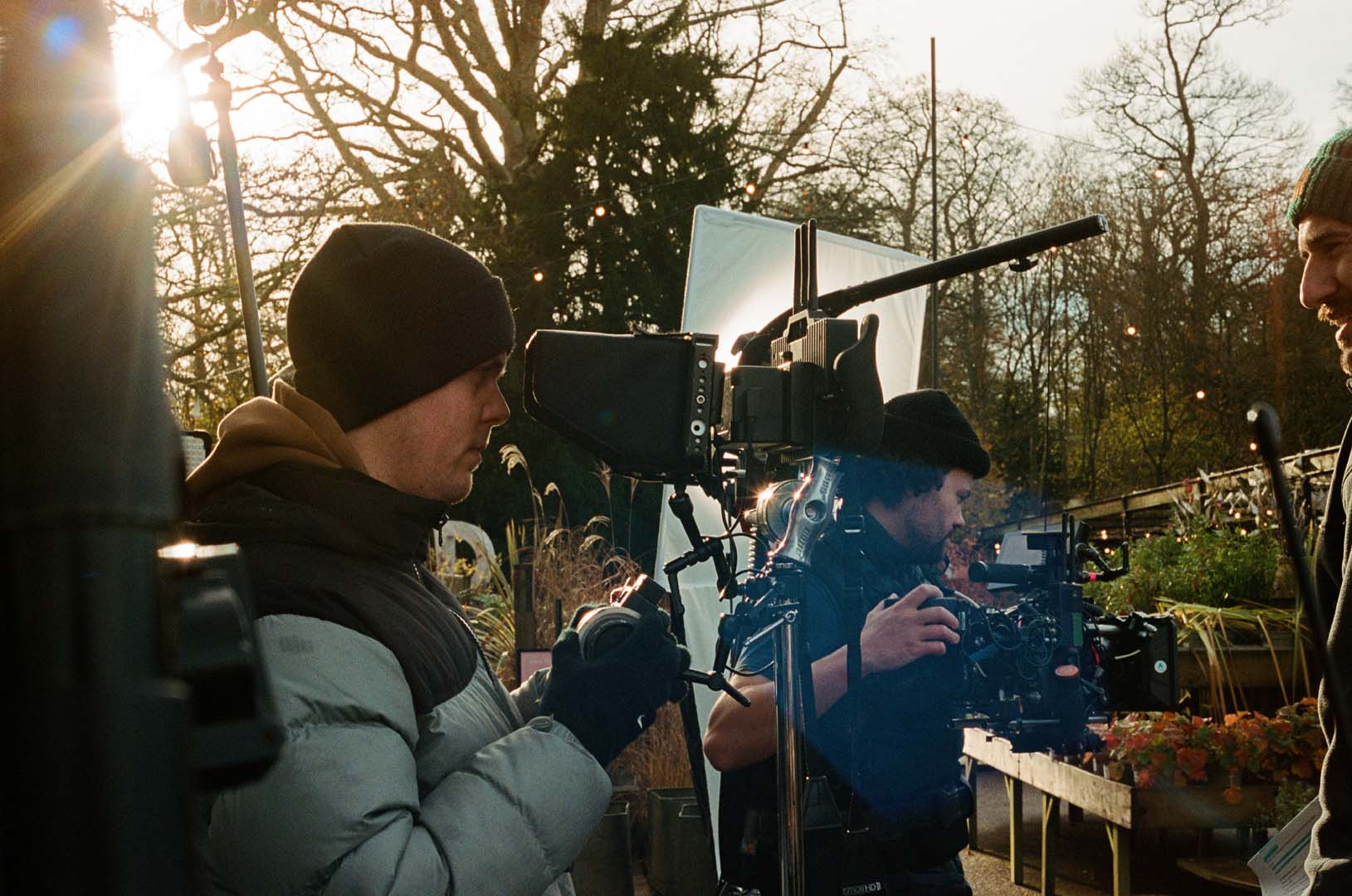
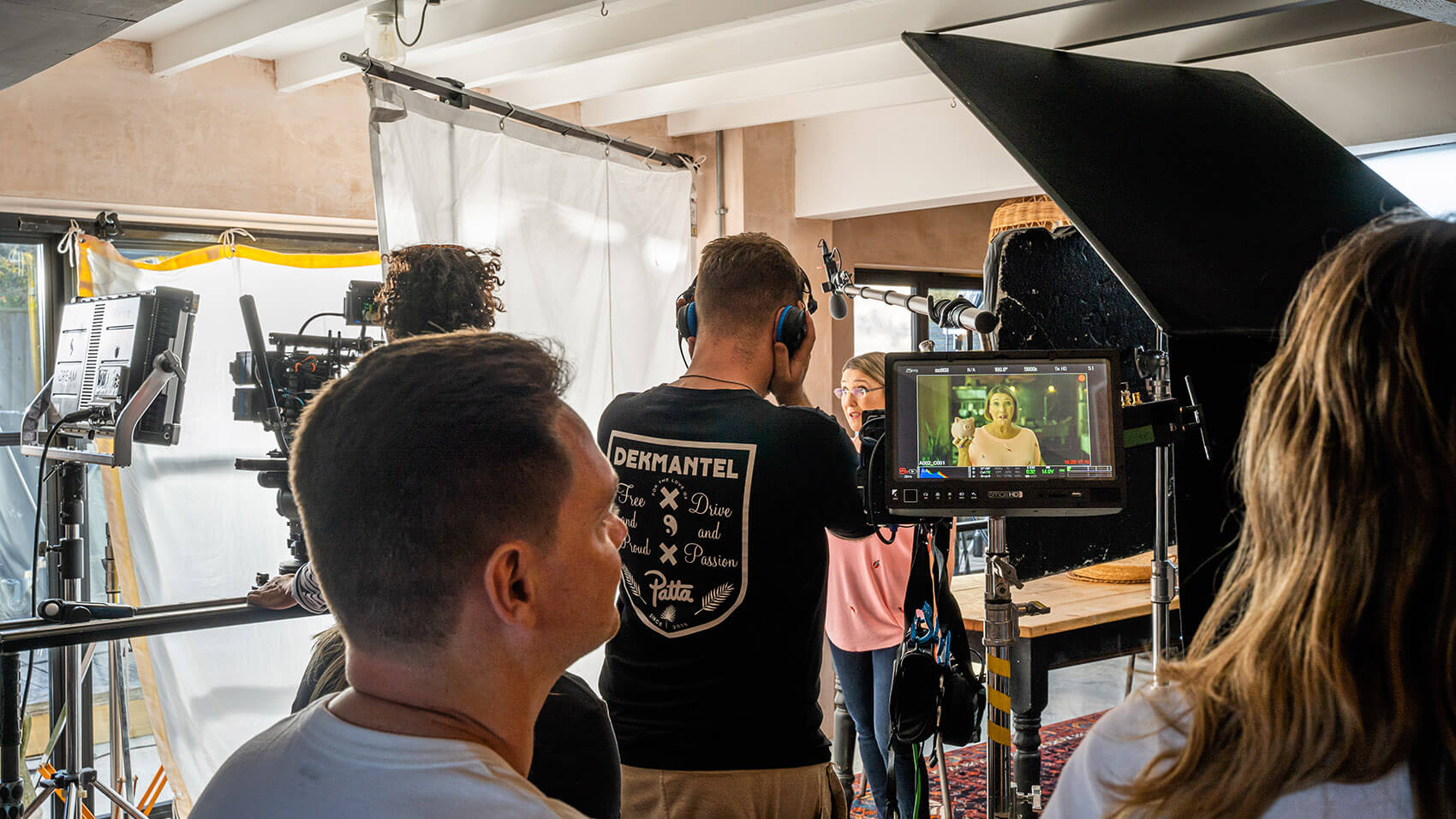
So, what is pre-production in video production? Pre-production is the planning and alignment phase: everything that happens between signing off the concept and the first day of filming. It’s where creative ideas get stress-tested against budgets, schedules, and reality.
For a typical brand or commercial project, pre-production covers:
- Script and storyboard lock: Finalising the narrative, script, and visual sequences so everyone signs off the same vision
- Casting: Auditioning and selecting talent whose performance fits the brand
- Location scouting: Finding, visiting, and securing locations, permits, determining access, power, and planning scene actions and camera positions (blocking)
- Shot listing: Planning every shot, angle, and movement needed so nothing gets missed on the day, and all the correct equipment is sourced
- Risk assessments: Identifying hazards, securing insurance, and keeping the shoot safe and legal
- Scheduling: Building the shooting schedule and call sheets so cast, crew, and kit are in the right place at the right time
Depending on the complexity of the project, this phase typically takes one to six weeks, potentially longer for more complex projects with multiple locations and shoot days. A single-location interview shoot might need a week of prep. A multi-location brand film with talent, art direction, and scripted dialogue needs considerably more.
This is where the creative heavy lifting happens. Not on set. Not in the edit. Here, in the unglamorous spreadsheets, recce photos, and script read-throughs, is where a video actually gets made. The shoot is just where it gets recorded.
The Pre-Production Checklist
If you want a practical sense check for whether a project is actually ready to shoot, this is the pre-production checklist we work through before every production:
- Goals and audience agreed. Everyone can state, in one sentence, what this video needs to achieve and what it needs to change in the viewer’s mind.
- Script locked and signed off. Not “mostly there”. Locked, with every stakeholder’s approval in writing.
- Storyboard or visual treatment approved. The client has seen what the film will look like, not just read what it will say.
- Cast confirmed. Talent auditioned, selected, booked, and contracted, with usage rights agreed and release forms signed up front.
- Locations secured. Scouted in person, checked for camera, light and sound, with permissions and access confirmed.
- Shot list built. Every shot planned, prioritised, and matched to the schedule, so the must-haves are protected if time runs short.
- Schedule and call sheets issued. Everyone knows where to be, when, and what happens in each hour of the day. And essentially, when lunch is.
- Risk assessments and insurance completed. The unglamorous step that keeps the shoot safe, legal, and covered.
- Kit checked and prepped. Cameras, lenses, grip, audio, and lighting tested before the day, not on it.
- Contingency agreed. Weather plans, backup locations, and a clear answer to “what do we drop if we lose an hour?”
If any of those boxes is still open the day before the shoot, that’s a warning light. Ten ticks means the day runs like a well-rehearsed performance.
"We'll Figure It Out On The Day"
(And Other Expensive Sentences)
In our opinion, “we’ll figure it out on the day” is the most dangerous sentence in video production, and we hear it more often than you’d think.
The tech world loves “move fast and break things.” It works for software, where a broken thing can be patched overnight but it does not work for a high-end brand film, where the broken thing is a shoot day that costs thousands of pounds and cannot be re-run without paying for it all over again. On a film set, there is no free patch. There is only the reshoot invoice.
Here’s the paradox: speed on set is the enemy of quality, and preparation is what creates speed. A crew working from a tight shot list moves quickly because every decision was made in advance. A crew improvising the plan moves slowly, burns daylight debating options, and then rushes the shots that actually matter.
And there’s a human cost that rarely gets talked about. When there’s no plan, the crew feels it. The director is firefighting instead of directing. The DOP or camera operator is guessing instead of composing. Nobody has the headspace to try the ambitious idea, because everyone is anxious about simply getting through the day. A disorganised set doesn’t produce bold, distinctive footage. It produces safe, uninspired footage, because safe is all a stressed crew can reliably deliver.
Great creative work needs room to breathe, pre-production is what buys that room.

Why Your Budget Should Go Here
Here’s a conversation we have regularly. A client looks at a proposal, sees a line item for pre-production, and asks whether it can be trimmed down.
We understand the instinct. But it gets the economics backwards. Pre-production isn’t a cost that competes with the shoot. It’s what makes the shoot worth paying for. When you work with a video production company that charges properly for planning, you’re paying for the time to get it right once, instead of paying twice to get it wrong.
Three examples of what that money actually buys:


Casting
Anyone can find a presentable person to stand in front of a camera. That’s not casting. Casting is finding someone whose delivery, energy, and presence convey your brand truth on screen.
A premium brand fronted by a presenter who feels wooden reads as inauthentic, no matter how good the lighting is. The right person makes the audience believe. That takes auditions, callbacks, and honest conversations about who this video is really for, all of which happen in pre-production.
Location
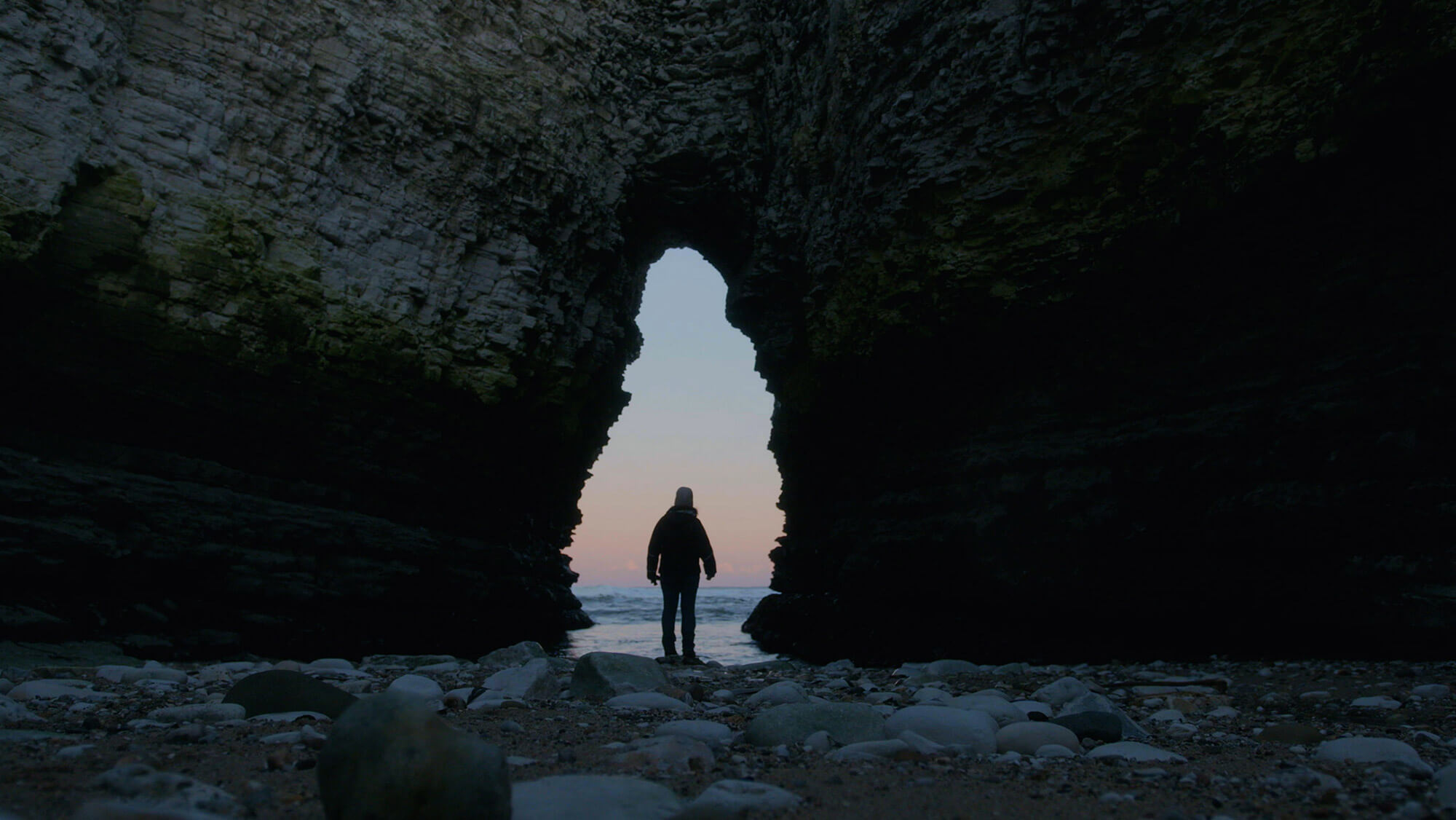
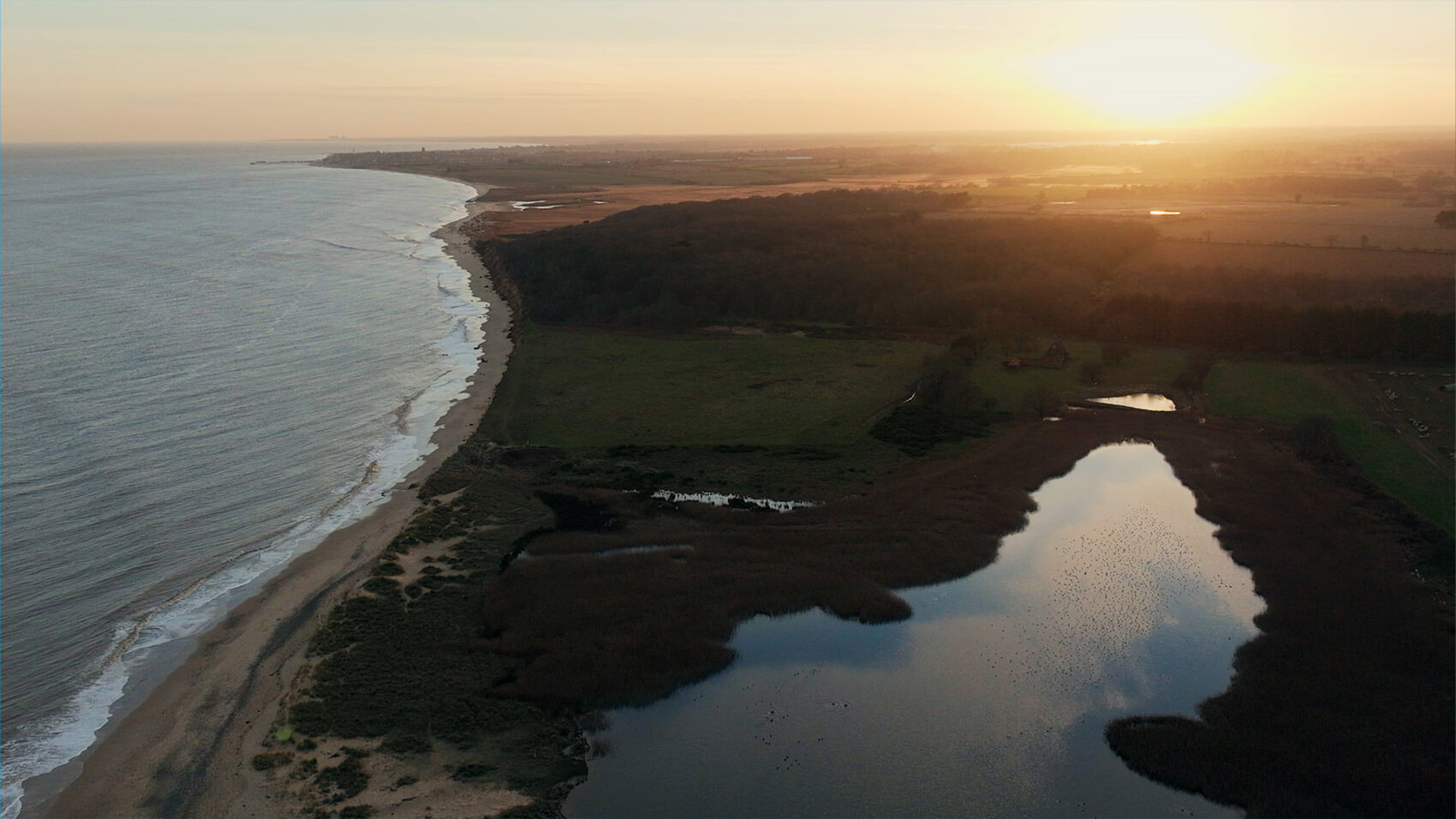
A location is not a backdrop. It’s a character in your story, and audiences read it instantly.
The wrong location quietly undermines everything: a “premium” brand filmed in a flat, echoey meeting room; an “innovative” company shot against beige walls. The right location does half the storytelling before anyone says a word. Finding it means scouting visits, checking light at the time of day you’ll actually shoot, listening for the air-conditioning hum or nearby train track that will ruin your audio, and confirming you’re allowed to film there at all.

The Stress Test
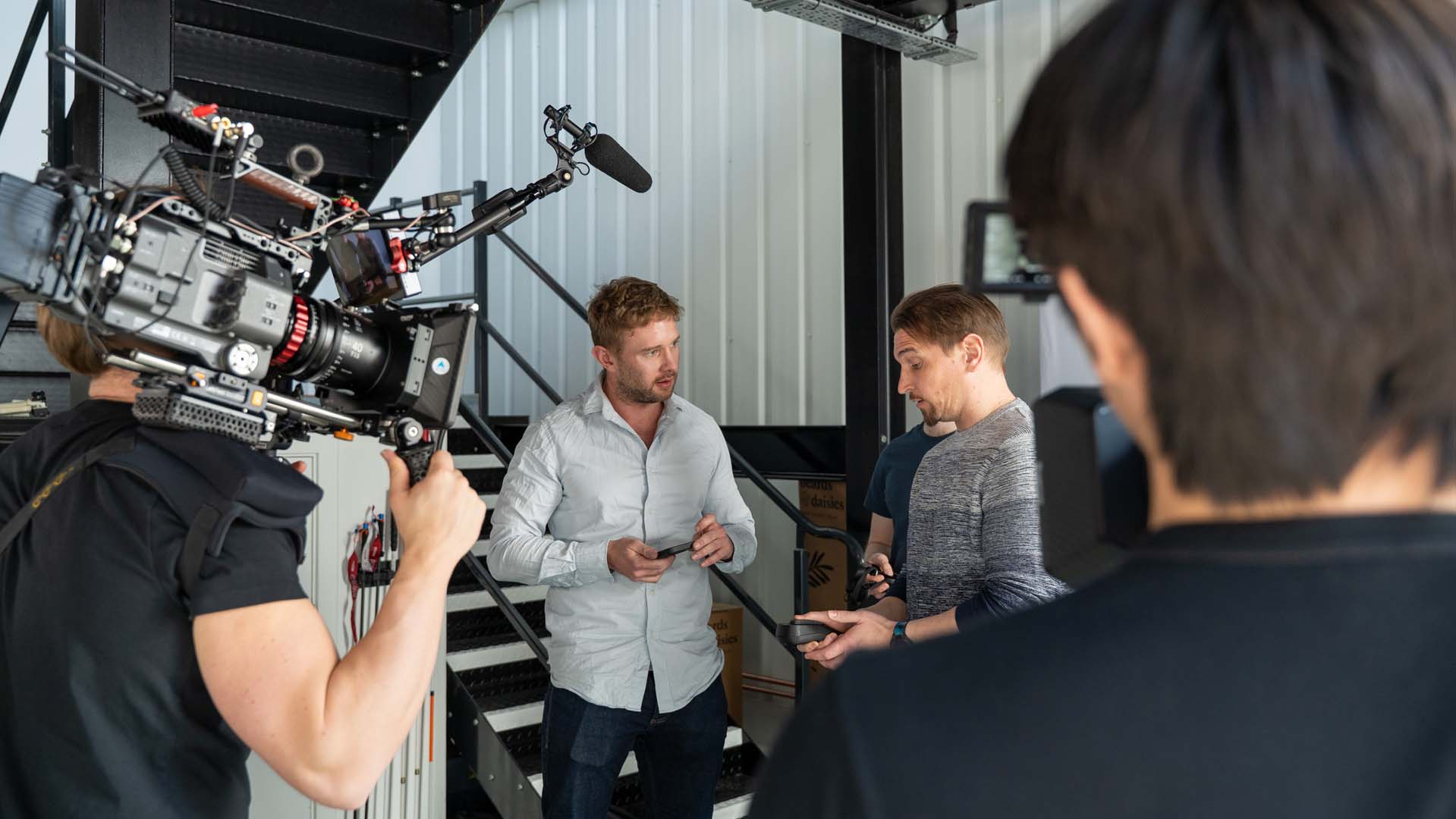
Before we commit a client’s money to crew and kit, we run the script through what we call a stress test. We walk through it scene by scene and interrogate it. Does the story actually make sense to someone who has never heard of the brand? Does the opening earn the viewer’s next ten seconds? Is there a scene that exists because someone senior liked it, rather than because the story needs it?
This is where you find the plot holes: the transition that doesn’t work, the message that contradicts the campaign, the two-day shoot hiding inside a one-day budget. Finding those problems in a pre-production meeting costs you a conversation. Finding them on set costs you the day. Finding them after launch costs you the campaign.
Paying for pre-production isn’t an “extra.” It’s a discount on the risk of a failed shoot.
Why We Say "No" During Pre-Production
Some of the most valuable work we do is talking clients out of things.
The details change from project to project, but the conversation is often a version of the same one. A client arrives with an ambitious concept: multiple locations, a drone sequence, several cast members, a showpiece hero shot, all inside a budget that realistically covers two shoot days. Every element is individually achievable. Together, they’re a guaranteed compromise: eight locations shot badly instead of three shot beautifully.
That’s when pre-production does its most valuable work. We push back. We cut the concept down to its strongest idea, drop the locations that aren’t earning their place, and put the saved time into the hero shots and the performances. Clients are often nervous about losing scope. Then they see the film, and nobody ever misses the locations that aren’t there. What they notice is that everything on screen looks considered, because it had the time to be.
Here’s the thing about pushing back: it’s an act of care. A production partner who says yes to everything isn’t being helpful. They’re being paid to watch you make a mistake. We’d rather have a constructive conversation in week one than deliver a diluted film in week eight, because our job is to protect the work, and sometimes that means protecting clients from their own ambition.
In our experience, the best briefs are the ones that are edited down, not added to. Every idea you remove concentrates the budget, the shoot time, and the audience’s attention on the ideas that remain. If your production partner never challenges your concept, it’s worth asking what exactly they’re bringing to it. (We’ve written before about how a sharp brief beats a big one.)
The ROI of Being Prepared
Let’s bring this back to business outcomes, because that’s ultimately what pre-production protects.
A prepared production is a cost-efficient production. Every hour spent planning saves multiples of that hour on set, where the burn rate is highest: crew day rates, kit hire, location fees, and talent all running simultaneously. Preparation means fewer people standing around waiting for decisions, which is the most expensive form of downtime in this industry.
Poor planning, on the other hand, generates costs that never appear on the original quote:
- Overtime. Shoot days that overrun trigger overtime for crew and talent, at premium rates, at the exact moment everyone is tired and quality is dropping.
- Reshoots. The single most expensive line in video production. A missing shot discovered in the edit means re-booking crew, kit, locations, and cast for one piece of footage.
- Wasted talent fees. Cast and presenters booked for days that collapse or overrun still get paid. Usage rights negotiated late cost more than rights negotiated early.
- The sub-par launch. The quietest cost of all. A “meh” video doesn’t just underperform; it drags down the media spend behind it. Every pound of advertising pushing a weak film is a pound working at a fraction of its potential. You don’t get that budget back.
On the other hand, a well-planned production hits its shoot dates, comes in on budget, delivers footage the editor can actually build with, and launches a film that earns its media spend instead of wasting it. That’s the return on investment: not a nicer shoot day, but a video that performs as an asset for your brand rather than sitting on a landing page as a sunk cost… It’ll also be a nicer shoot day to be fair.
That’s why we put pre-production at the centre of our video production services, and why our in-house team treats planning as creative work, not admin. You can see what that looks like in practice in our video production case studies.
The Magic Is Scheduled, Not Improvised
The film industry has spent a century romanticising the happy accident: the improvised line, the unplanned shot, the magic moment nobody saw coming.
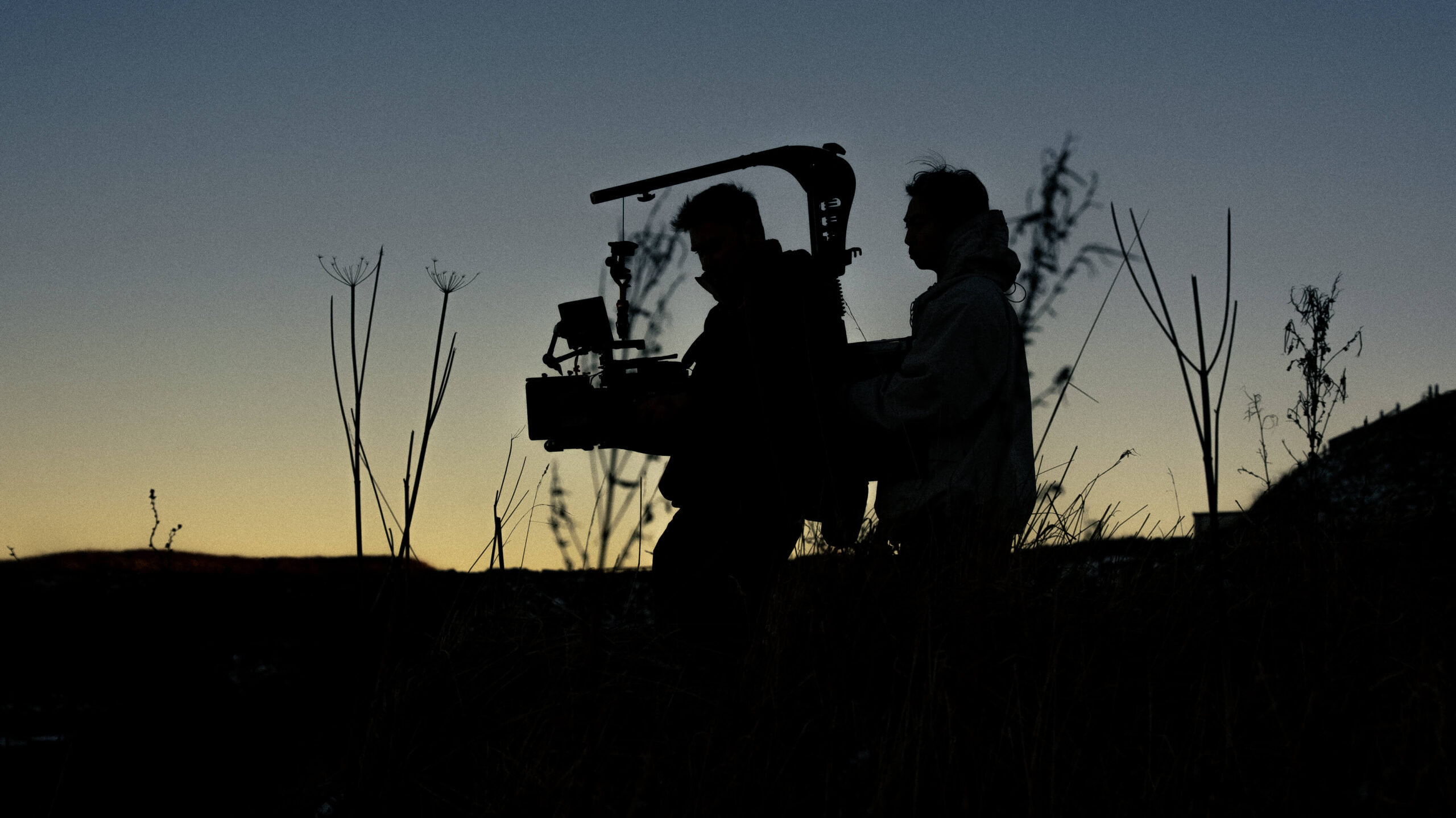
Here’s the secret. Those moments almost always happen on well-run sets. When the plan is solid, the schedule has breathing room, and the crew isn’t firefighting, people have the confidence to experiment. Preparation doesn’t kill spontaneity. Preparation is what makes spontaneity possible.
So if you’re planning a video project this year, put your energy (and yes, your budget) where the outcome is actually decided: before the camera rolls.

Frequently Asked Questions
What is pre-production in video production?
Pre-production is the planning phase that happens after a video concept is approved and before filming begins. It covers script and storyboard development, casting, crewing, location scouting, shot listing, scheduling, budgeting, and risk assessments. It’s widely considered the phase that determines whether a video project succeeds, because every major creative and logistical decision is made here.
How long does pre-production take?
For most brand and commercial video projects, pre-production takes between one and six weeks (potentially more for complex projects). A simple single-location shoot might need a week of planning, while a multi-location brand film with cast, art direction, and licensed music can need six weeks or more. As a rule, the more moving parts on the shoot day, the more planning time it deserves.
What's included in pre-production?
A typical pre-production phase includes: finalising and locking the script and storyboard, casting talent, scouting and securing locations, building the shot list, creating the shooting schedule and call sheets, completing risk assessments and insurance, and locking the budget. On larger productions it also covers production design, auditions, kit testing, rehearsals and test shoots.
Why does pre-production cost money if nothing is being filmed?
Because it’s where the creative heavy lifting happens. Pre-production pays for the time that makes the shoot efficient: refining the script, finding the right cast and locations, and stress-testing the plan for problems before they become expensive. Skipping it doesn’t remove those costs; it moves them to the shoot day and the edit, where they could multiply as overtime, reshoots, and revision rounds.

Share this post


Written by:

Dan Morbin
Do you have an upcoming video production project or digital live event? Get in touch today – we’d love to hear from you.
Get in touch
Drop us a line – we’d love to chat.